Revenioti (centre) holds a placard that says “(We want) the state out of our beds” at a 1981 demonstration in Athens. | Photo courtesy of Paola Revenioti.
by Charis Mavroulias
My dear Paola,
You don’t know me and this letter might never reach you. I don’t know you either; only enough to feel that you are the only person I can turn to at this moment – a moment of isolation. I am writing to you from a hotel room, here, in the co-capital – so far away from the (neo)liberals, the greens, the resigned left-wing celebrations, and Kalomoira’s off-key attempts to sing “Born this Way.” I saw her rehearsals streaming on the well-known mainstream gay magazine. If you had doubts about Amfi, I imagine what you might say about this “-virus”.
It was never my plan to go to EuroPride. I got a three-day stay as a gift and, what was I to do? I took it. I thought it would be a unique experience: To eat a three-star breakfast and walk around Thessaloniki. To see the Rotunda. To go down to the shops, the cafes, and the waterfront. And not risk being abused by fascists, now that the gays have come to court. Or to be more precise: now that Europe has generously granted us admission to… look gay in public, whilst dancing. Do you like dancing? I’ve never seen you dancing.
And yet, I was wrong. A few meters outside the imaginary border Kostis Maraveyas was constructing with his voice – an apolitical wall that protects everyone and no one – I became a target. I became, for the third time in a week, a necropolitical body available for consumption by a group of (underage) neo-fascist thugs. The first time it (really) happened, I blamed Serbia, Novi Sad. The next time, it was Belgrade. I put on “Ταξίδι” by Μαρίνα Σπανού and cried in the hostel bathroom. Like a persecuted, stateless, pseudo-nomad, now longing for his safe space, the motherland. Greece. Athens. At least here, the fascists speak my language.
Fascism speaks our language, Paola. You know this well. It’s not new to you. But I know you will make room for my whining, even though it’s quite unfamiliar to you. You, who have always seen the glass half full. Because the trans body – like the queer body – knows how to make space. Knows how to not have space. And knows how to challenge (a) space.
Our lineage. I remember you saying, in one of your last shows on Parlafousi, that what has been happening, following the results of the Greek elections in 2023 is unprecedented, even for you. You, who lived in a time when transness was intertwined with the geography of Sygrou and Athinas. “Paola” your name, echoing those streets, and illegible almost anywhere else. I am rewatching your interviews. I play this part again and again: “I’ve never been as afraid as I am now.” I’ve never been as afraid as I am now. What is happening?
A few blocks away from Alexander the Great’s open legs, where I entertain the neo-Nazis with my existence, a young boy, with painted nails and perfect makeup, is cornered on Tsimiski street. Because he’s dressed like that. Like a faggot. A comrade-saleswoman described the scene to me in a jewelry store where we had a political discussion right after I bought a pair of beautiful earrings. How I wish you were here so I can show them to you, just as Dimitra showed you her wardrobe on Vice…. I’m sorry, Paola. The double predicament of masculine transness: I have to relearn how to cry, but men mustn’t cry. Especially in front of fascists. Especially next to pride, the celebration of love. Especially, next to their group of girl friends, whom they’re supposed to protect. Men ought to protect. I don’t know any martial arts. I didn’t know any martial arts. I didn’t know. I should know.
Pride. I’m sorry, Paola. That I am sitting and whining, when I could be swaying next to γαργαρότεκνα(the term used in Kaliarnta to describe (twink-looking) sailors, usually involved with gay and trans sex-workers, after long periods in the sea), caressing the shredded arms of European gays, to the rhythms of Britney Spears and drinking genocidal soft drinks. I’m sorry that your struggles have become a celebration for liberals. That your grandchildren aren’t even on stage or on the floats, but on precarious balconies. I mourn for Diona and for the “unclear reasons” we lost our sister at 10 in the morning. It’s a pity that today’s parade doesn’t look like a funeral and a memorial for Anna. Too bad for the yogurts you had dripping from your faces-for us, Paola.
Καλιαρντομπενάβω. (Kaliartompenavo means to curse or to speak ill of someone in kaliarnta, the greek gay language of erasure and survival. Paola’s documentary Kaliarnta was the second, following the homonymous dictionary by Ilias Petropoulos, most concrete record of this idiom.)
I’m ashamed that at the third self-organized Patras Pride, I saw you for the first time and thought, “Who is this old transvestite speaking on our behalf?” Speaking for me, the newly initiated, respectable trans* of academia, before the hormones and before the surgery and before I got immersed in politics, and before I fucked gay men. Am I doing the right thing, uttering these words? Thank you. You taught me that. I wrote a poem during the fourth year of my undergrad, titled “Paola,” for atonement, supposedly. “Now, I know who you are, and I pay tribute to you”, I thought. I know shit. That poem should never see the light of day. I keep it only as an archival document; for myself, for my progress, for me, to psychoanalyze myself. I am not you, Paola. I overanalyze everything.
Hallucination. We sit under the same umbrella. It’s raining non-stop here. It’s raining (neo)liberalism. It’s raining in the streets. It’s raining in the buildings. Where can I find shelter, Paola? A roof over my head: the human rights conference. A panel now convenes. Gay European Policy-Making. Advancing Equality. Preventing Backsliding. Backsliding: It’s raining men. Backsliding: they did you a favor – not sending you with them to Brussels. The green, the red, the blue defenders of peace and democracy. Backsliding- you would pull your hair out. Backsliding- You would be appalled by their applause. The unbearable lightness of the center, trembles at the idea of extremes. Backsliding- for them, they are the same. They are talking about us, Paola. They fight for our rights, they’re saying. They are talking about trans things. Backsliding. They are talking about the crossroads. Intersectionality, this and that, backsliding. They are talented. They managed to appropriate Kimberlé Crenshaw’s term through the extraction of class. I admire them and their artistry! White gays and liberal lesbians stand at the intersection of Mitropoleos and Aristotelous. Sexuality and gender. Gender and sexuality. Where is class, Dragana? What is race? What is “to pass”? Alas! Have you heard of them? Should I put Paola on the phone? I will be the translator. Mpenaveis Kaliarnta? (Do you speak Kaliarnta?) Yes I do. Yes I do. As a lesbian, she likes cars, she says, the audience laughs. She attempts a metaphor of progress with gas. Step on the gas, she says, let’s move forward, stand in the way of fascism. Forget about the past. Forgeeeeet about all the baaaaacksliding. Without a reference to capitalism and the nation state, the borders, Palestine. Without abolitionist and decolonial feminism. Hand in hand with the Church, the army and bourgeois police. Who sings the nation-state, Dragana? You. You speak its language. You are the lead singer in this cacophonous choir. You keep one foot on the brake and one on the gas.
We are going to explode, Paola. We are heading straight into a wall. Or off a cliff. I miss your optimism. It seems tragically romantic to me. Change my mind. Convince me to leave this miserable hotel room. Even for a fleeting cruise in the alleys of Kamara. Even if my men are hopelessly cis. And my dick, hopelessly plastic.
Your grandson,
Thessaloniki, 28 June 2024
ENDNOTES:
Although most of the literature around Paola’s life and work is in Greek, I have selected 2 articles that offer a great overview of the life and work of one of the people we can proudly call our trans (grand)mother:
In its 115th edition, ANTIVIRUS features an article by Giannis Pavlopoulos, titled: “How apolitical are we gays” annunciating- for someone who has never read the magazine- a (post) Marxist critique. And yet, the author’s response to a gay communist on Grindr, “Better be liberal than a communist like you” resonates painfully but perfectly sums up the politics of the gay magazine.
For as long as the political party Mera25 was in parliament, RadioMeRA could be funded, featuring several broadcasts, podcasts and interviews. Parlafousi was one of them, streaming on Thursays and run by Paola Revenioti. The uploaded videos are still available on https://www.youtube.com/@radiomera3729.
Dimitra was a transfem individual who spent most of her life, closeted, in a small village in Lesbos. Her death was confirmed on 14 June 2021- almost 4 months after her escape from a psychiatric ward in Athens where she had been transferred involuntarily- and is speculated to have been caused by car accident and abandonment. She was perpetually misgendered throughout her life (even by Silver Alert, reporting her disappearance under her deadname and false pronouns) and after her death, by the systemic newspapers. For more information on her interview with Paola follow the link: https://youtu.be/mSkhbkTYuIM?si=Vwa9cUUQhNvrUa-g.
Granične politike Zapadnog Balkana i Evropske Unije
Predeo danas poznat pod imenom Zapadni Balkan postao je tačka fokusa restriktivnih migracijskih politika Evropske unije (EU), otelotvorujući sekuritizaciju i kriminalizaciju kretanja. Posledično takozvanoj „migrantskoj krizi“ 2015. godine, EU je intenzivirala svoje namere da kretanje blokira, pretvarajući region u tampon zonu. Ovakvom odgovoru usledile su dubokosežne humanitarne posledice dok su istovremeno sistemi kontrole ojačani.
Kako su rasle tenzije i nasilje u Siriji, Iraku i Afganistanu, Balkanska ruta predstavljala je najbržu i najbezbedniju trasu za ljude u pokretu, ne samo za one iz Bliskog Istoka i centralne ili južne Azije već i iz Afrike, uzevši u obzir da se ovim putem izbegavaju sve opasnosti centralnog Mediterana. Neko vreme je humanitarni koridor[1] od Grčke kroz Zapadni Balkan do Austrije omogućavao ljudima u pokretu da putuju relativno slobodno, uz privremene tranzitne dozvole koje su omogućavale prelaz iz jedne u drugu državu, te dolazak u Beč kroz nekoliko dana. Međutim, ovaj privremeni pristup bio je ukorenjen u okviru migracijske kontrole Evropske Unije, koja je bila i ostaje suštinski nepravedna. Ideja legalizacije ograničene rute za ljude u pokretu samo utvrđuje graničarski režim umesto da nudi istinsku slobodu kretanja za sve.
Zatvaranja EU granice i balkanske rute
Već 2016. godine, EU je insistirala na zatvaranju humanitarnog koridora, pojačavajući kontrolu granica. Ključni događaj bio je potpisivanje Sporazuma između EU i Turske 18. marta, 2016. Ovaj događaj označio je značajnu eskalaciju u kriminalizaciji kretanja i eksternalizaciju upravljanja EU granicama.
Ubrzo nakon što je sporazum potpisan, Severna Makedonija, Hrvatska i Slovenija su brzo zatvorile svoje granice ljudima u pokretu čineći Balkansku rutu neprohodnom. Kroz svega nekoliko nedelja, oko 60,000 ljudi u pokretu ostali su zaglavljeni u tranzitnim zemljama. Do 2017. godine, ovaj udar na slobodu kretanja doveo je do čestih izveštaja o ilegalnim odgurivanjima (pushbacks)[2], pogotovo duž hrvatsko-bosanske i srpsko-mađarske granice, gde su ljudi u pokretu bili žrtve nasilja i gde su napušteni na udaljenim lokacijama.
Humanitarni uslovi su se pogoršali uzevši u obzir da su mnogi bili zatvoreni u prenaseljenim i loše opremljenim kampovima, kao što je kamp Vučjak[3] u Bosni i Hercegovini, ozloglašen zbog nedostatka pijaće vode, grejanja i sanitacije. Sistemsko utvrđivanje granica nastavilo se i najbolje ga je obuhvatiti izgradnjom i rasprostranjivanjem raznih graničarskih infrastruktura[4] i ekstremnog korišćenja napada, prebijanja, ponižavanja, krađe i ilegalnih odgurivanja ljudi u pokretu[5], uključujući i žene i decu. Kako je utvrđenje jačalo tokom COVID-19 pandemije, mnoge zemlje Zapadnog Balkana eskalirale su svoje korišćenje odgurivanja tokom 2022. godine, motivisane mogućnošću olakšanog ulaska u EU. Vredno je istaći da su ova odgurivanja podrazumevala odgurivanja iz Bosne ka Crnoj Gori ili Srbiji, kao i iz Srbije ka Severnoj Makedoniji. Ova dela nisu odstupanja, već su inherentna postojanju granica koje su kao takve stvorene da bi štitile kapital.
Kriminalizacija i dehumanizacija
Zapadno-balkanska ruta i dalje je označena nasiljem i kršenjem ljudskih prava, sada predstavljenih kao da je ljude u pokretu neophodno „spasiti“ od krijumčara. Ovaj narativ „iligalnih migranata“ i „ilegalnih prelazaka“ služi kako bi se opravdao graničarski režim, koji raste i razvija se stvarajući kriminalizovanog drugog. Većina ljudi u pokretu dolazi iz kolonizovanih zemalja, čime se još jednom podvlači poveznica između savremene migracije i kolonijalne istorije.
Rasizam nije samo osobenost ovog graničarskog režima, rasizam je njegov temelj. U pitanju je sistem stratifikacije koji ljude označava kao pretnje. Rasizam je onaj koji doliva ulje na vatru narativima straha i „invazije“, pravdajući brutalnost Tvrđave Evrope. Većina država destinacija, one koje utvrđuju svoje granice, jednom su bile kolonizatori i pljačkaši. Ovi ljudi koji sada pokušavaju da pređu preko njihovih granica neretko su građani kolonizovanih nacija. Ili kako je dr. Ian Sanjay Patel to tako pronicljivo rekao, „Oni su ovde jer smo mi bili tamo“.[6]
Kretanje je osnovno pravo, a trenutni graničarski režim u direktnoj je opoziciji ovom principu. Zapadno-balkanska ruta i dalje je jedan od najaktivnijih puteva ka EU, sa 99,068 iregularnih prelazaka zabeleženih 2023. godine. U 2024, uprkos izveštaju koji beleži pad u broju prelazak od 79%, stvarni broj prelazak najverovatnije je bio daleko veći, što su i potvrdili aktivisti i nevladine organizacije uključeni u borbu za migrantsku pravdu. Ljudi su i dalje u pokretu ali na skrivenije i opasnije načine.
Čineći granice gotovo neprobojnim i onemogućavajući pristup azilu, Evropska unija uterala je ljude u pokretu pravo u ruke krijumčara, koje zatim optužuje da su jedini počinioci eksploatacije i nasilja. Krijumčari su počeli da naplaćuju ljudima u pokretu ogromne naknade za daleko opasnije rute. Rezultat evropskih politika bio je suprotan njihovim namerama. Danas je sve više krijumčarskih usluga, cene i rizici su porasli, a porastao je i broj smrti i nestanaka.
Migracijske politike EU, koja prioritizuje sigurnost granica pre nego ljudsko dostojanstvo, produbile su krizu na Zapadnom Balkanu, stvarajući surove i opasne uslove za one koji beže od konflikta, siromaštva i progona. Ovaj sistem granica, kažnjavanja i kriminalizacije mora biti svrgnut. Istinska pravda zahteva svrgavanje opresivnih struktura koje utvrđuju sisteme granica, kao štu su rasizam, nasleđe kolonijalizma i kapitalistički poriv za kontrolom rada i tela. Moramo stvoriti svet u kom je sloboda pokreta, solidarnost i poštovanje prava svih ljudi pravilo, a ne izuzetak.
Tekst koji sledi je preuzet iz zapisa u mom dnevniku koji sam pisala u kratkim crtama dok sam izvodila procenu granice duž reke Drine koja odvaja Srbiju i Bosnu i Hercegovinu. Na odluku da preuzmem na sebe ovu procenu podstakli su me izveštaji terenskih organizacija i aktivista koji su detaljno opisivali rastuće oslanjanje na ovaj rizični prelaz. Ono što me je na kraju nagnalo da izvedem ovu procenu bile su srcecepajuće vesti iz avgusta 2024[7] o 12 ljudi koji su se udavili pokušavajući da pređu Drinu. Među njima bila je i devetomesečna Lana, koja sada počiva u Srbiji zajedno sa svojom majkom, Kadidžom, i ocem, Ahmedom. Duž reke u Bosni takođe počiva i petnaestogodišnji sirijski dečak.
Od 27 ljudi koje je pokušalo da pređe, 15 je preživelo, od kojih su 12 bili deca. Teško bi mi bilo da kažem da su se domogli bezbednosti jer je bezbednost daleko više od pukog preživljavanja. Ovi ljudi su proživeli traumu svedočeći gubitku 12 života, samo da bi ih pri dolasku u Bosnu uhapsili i poslali da budu deportovani nazad u Srbiju. U očima Tvrđave Evrope, ovi pojedinci nisu deca, porodice, ljudska bića; oni su „ilegalni migranti.“
5. oktobar, 2024. Subota, ujutru
Nije mi jasno da li sam anksiozna ili samo gladna. Kad smo već kod neprepoznavanja procesa koji se odvijaju u mom telu. Sedimo u restoranu čekajući tanjire paste da pristignu. Sve miriši na dim cigareta pomešan sa mirisom peciva – pice i ostalog. Naručila sam nekakvu pesto pastu koju jedva da sam razabrala sa menija dok su žmarci nemira strujali mojim telom, zadržavajući se u mom grlu – uvek u grlu. U potpunosti sam disocirana u restoranu, dok se sve vreme pitam zašto se osećam tako. Da li sam gladna ili anksiozna?
Pesto pasta pristiže. Hladna je, dekorisana svežim bosiljkom i kuglicama mocarele. Pastu sam pojela u roku od tri sekunde, osećajući kako mi tenzija u grlu popušta sa svakim zalogajem. Ponovo se priključujem razgovoru sa svojim saborkama, koje pokušavaju da svare prizor koji smo malopre videle. Pre svega nekoliko trenutaka napustili smo lokalna groblja u Loznici gde smo posetili uglavnom neobeležene grobove ljudi u pokretu koji su se udavili u reci Drina.
Pravoslavno groblje u Loznici bilo je ogromno. Došli smo tamo i počeli da hodamo u potrazi za grobovima ljudi u pokretu. Subota je, tako da je groblje bilo puno ljudi. U Srbiji se na grobljima vreme uobičajeno provodi uz grobove preminulih, tako što se deljenjem hrane i pića prelazi preko usamljenosti koju donosi smrt. U pitanju je način komunikacije. Na putu do grobnih mesta ljudi u pokretu, prošla sam pored petočlane porodice. Mama, tata i tri sina stojali su nadomak groba očevog oca/dede. Pred njima je bio raznovrsan izbor suhomesnatih proizvoda (od svinjskog mesa), hleb i francuska salata, sve uredno položeno preko groba. Domaštala sam kako im je ovo način da se prisete svog dede i provedu vreme radeći ono u čemu smo mi ovde na Balkanu najbolji – jedenju i pijenju.
Je l‘ se sećaš ti dede?
– Rekao je tata svom najmlađem sinu
Pored velikog kontejnera leži 13 bezimenih, zaboravljenih grobova. Zemlja je vlažna i blatnjava, tako meka da su mi čizme tonule dublje svakim korakom kako smo se približavali grobovima. Smeće je bilo pobacano tu i tamo po blatu praveći mozaik boja na grobovima i oko njih. Mesta upokojenja na sebi nemaju nadgrobne spomenike, već samo drvene krstove ili table na kojima piše N.N. Stajala sam tamo i gledala ovaj prikaz pred sobom dok je petočlana porodica nastavila sa svojom gozbom. Osetila sam da mi se grudni koš steže, a da mi se grlo sužava. Počela sam da čistim smeće sa grobova, skpljajući ga u male gomile, sa blatom pod noktima. Dok sam prikupljala smeće, nisam mogla da ignorišem simboliku koju su ovi ostaci nosili. Ovi grobovi pripadaju onima koji su bili izbrisani dvaput: jednom za života – nasiljem graničarskog režima koji se prema njima ophodio kao prema odstranjivim – i ponovu u smrti, prepušteni zaboravu. Ovi grobovi su dokaz dehumanizacije u svetu u kom granice određuju čiji su životi bitni, a čiji nisu.
Jovana, žena zaposlena na groblju prišla nam je i počela da razgovara s nama. Izgledala je zaintrigirana činjenicom da moja španska saborkinja nije pričala nijedan južno-slovenski jezik i iznenađena što uopšte vidi nekog iz EU u Loznici. Pričala mi je o svojoj ćerki koja živi i radi u Španiji. Srbija je, kao i ostale zemlje Zapadnog Balkana, tradicionalno zemlja iz koje ljudi emigriraju. Mnogi su bežali od ili neposredno pred ratove u Jugoslaviji u potrazi za boljim životnim mogućnostima, a danas, mnogi i dalje odlaze, tražeći bolje ekonomske prilike, bezbednija okruženja, ili slobodu da žive otvoreno u svojim vezama, kao što je slučaj sa pripadnicima LGBTQ+ zajednice. Zamišljam da je ovo priča i onih trinaestoro ukopanih pred nama.
Većina onih koji putuju preko zapadno-balkanske rute dolaze iz Sirije i Afganistana. Proterano stanovništvo ovih zemalja najčešće beži od ratova, konflikta, siromaštva i gladi. Mnogi se nadaju da će ponovo sresti voljene, mnogi su živeli na globalnom severu godinama sve dok nisu bili deportovani te se sad pokušavaju vratiti svojim životima. Motiva za kretanje je mnogo. Svi su validni.
Položili smo sveće na grobove. Činilo se uzaludnim biti tu bez da ostavimo simbolički znak sećanja. Stajala sam u tišini, dok su mi noge tonule u blato. Razmišljala sam o tome ko li je ova osoba bila, odakle je došla i gde se nadala da će stići.
Reka Drina prostire se duž 206 kilometara, praveći prirodnu granicu između Srbije i Bosne i Hercegovine. Poznata po svojim alpskim lepotama, neretko je proslavljena kao jedna od najživopisnijih reka u Evrope. Ipak, Drinina dualnost – njena lepota je u senci duboke tragedije – postaje očigledna na Pravoslavnom groblju, gde 13 grobova, i na muslimanskom groblju, gde još 10 obeležavaju izgubljene živote. Sveukupno, 23 osobe u pokretu su postale žrtve graničarskog nasilja samo u Loznici.
Ova tragedija seže mnogo dalje od oblasti Drine. Duž bugarsko-srpsko-bosanske rute, Lighthouse Reports[8] zabeležili su 155 tela ljudi u pokretu u određenim mrtvačnicama širom balkanske rute od početka 2022. godine – čak 92 samo tokom 2023. godine. IOM‘s Missing Migrants Project[9] beleži 399 nestalih od 2014. godine, ističući da su realne brojke najverovatnije veće.
Na muslimanskom groblju, dočekala nas je slična scena – zapuštena trava, blato i razbacano đubre. Kako je groblje bilo malo bilo je lako pronaći grobove, ali su visoka trava i blato dolazak do grobova učinili izazovnim. Uz moje tri saborkinje sam se probijala kroz šipražje do odeoka sa 10 grobnih mesta, obeleženih i neobeleženih. Vreme i prirodne pojave odradile su svoje; većina spomenika bili su u lošem stanju, pohabani i u raspadu. Tišina je bila teška, prekinuta samo šumom trave kroz koju smo koračale. Dok sam stajala pred ovim grobovima, uz Drinu, nisam mogla a da se ne setim poslovice – Ne možeš ispraviti krive Drine – koja referiše na meandrirajući tok reke Drine, koji bi bilo uzaludno pokušati ispraviti. Često se koristi kako bi se pokazala uzaludnost pokušaja da se promeni nešto što je inherentno komplikovano. Istovremeno, iz poslovice se cedi gorka ironija. Životi izgubljeni na ovoj reci rezultat su namernih sistema kontrole i stratifikacije ljudskih života, a ne nečeg inherentno komplikovanog što ne može biti promenjeno.
Ovaj grob u stanju je potpunog raspada. Drveni spomenik do te mere je istrunuo da se odvojio od zemlje, ne mogavši više da stoji uspravno. Ime, napisano na ćirilici, obeležava mesto upokojenja deteta koje je moglo imati tek devet ili deset godina u trenutku svoje smrti 2017. godine.
Među grobovima, tek je nekoliko naizgled sveže ukopanih. Pripadali su porodici koja se udavila na reci Drini nekoliko meseci ranije. Lana, koja je imala samo devet meseci, bila je ukopana pored svoje tridesetogodišnje majke, Kadidže, i tridesetšestogodišnjeg oca, Ahmeda. Kadidža i ja rođene smo iste godine.
Rodila sam se u zemlji razorenoj ratom. Na svu sreću, mir je došao ubrzo nakon mog rođenja, te sam odrasla u posle-ratnoj realnosti u pograničnoj oblasti blizu granice sa Srbijom, oblasti koja je bila duboko pogođena ratovima u Jugoslaviji.
Ovo me navodi na misli o krhkosti života. Šta bi bilo da sam bila rođena svega nekoliko godina pre 1994? Da li bih još uvek bila ovde? Kadidža je imala 17 godina kada je počeo građanski rat u Siriji. Kada sam ja imala 17, završavala sam srednju školu, razmišljala o glumi, novinarstvu i psihologiji kao mogućim budućim karijerama. Provodila sam dane ispijajući preterane količine alkohola sa prijateljima koji su mi danas kao porodica, otkrivajući svoj identitet i zaljubljujući se po prvi put. Pitam se šta je Kadidža radila kada joj je bilo 17. Da li je imala prilike da sanja, istražuje, da se igra? Ili je život već tad, isuviše brzo, postao isuviše ozbiljan? Ja sam imala privilegiju bezbednosti, stabilnosti i slobode da postojim bez straha od progona i proterivanja. Koliko li je nepravedan ovaj sistem koji jedan život poštedi istovremeno proždirući drugi?
Ne znam puno o Kadidži, ali znam da je izbegla iz Sirije sa svojom porodicom. Mogu da zamislim da bilo koja porodica koje odluči da na ovako opasan put krene sa devetomesečnom bebom u naručju to čini nadajući se – boljem životu, nada koju su iznedrili očaj i otpor. A ipak, ovu nadu oteo je graničarski režim.
Sa njihove leve strane upokojeno je još dvoje – uzrasta oko 17 ili 18 godina, odnosno 19 ili 20. I oni su poginuli ove godine, iako nismo mogli da utvrdimo da li su i njihove smrti deo tragedije koja se desila u avgustu. Njihova imena su Mohamed Al Hasan i Muhamad Fru (Faruh).
5. oktobar, 2024. godine, Subota, popodne
Nakon što smo napustili groblja, uputili smo se ka još jednom mesto koje je obeležilo odsustvo: industrijalna zona, nekada žila kucavica lokalnih zajednica, a sad tiha i pusta. Ovde je nekada bila fabrika po imenu Viskoza, koja je proizvodila veštačku svilu i proizvode od viskoze i u kojoj je, u njenom vrhuncu, bilo zaposleno preko 10,000 radnika. Sada su njene ruševine pune razbacanog smeća.
Dok smo šetali kroz zonu, lokalni stanovnik koji je prolazio na biciklu stao je da razgovara sa nama. Pokazujući na ostatke fabrike govorio je o njenom značaju za lokalno stanovništvo.
„Ovo mesto bilo je srce našeg grada“, rekao je. „Nema osobe u Loznici koja nije radila ovde. Svi smo jeli hleba zbog nje. Sada je napuštena, kao i mnoga druga mesta ovde.“
Odveo nas je do dela fabrike u kom su se ljudi u pokretu nekada pronalazili utočište pre nego što bi prešli granicu. Objasnio je da je nekada ovo mesto bilo puno života, da su ljudi kuvali na rešoima i da su mnoge humanitarne organizacije pristizale kako bi pružile pomoć. Sada je mesto prazno. Razbacane patike, limenke energetskih pića i stara odeća ostali su kao svedoci protoka ljudi.
„Nema ih više, više ih ne vidite u javnosti“, objasnio nam je čovek.
Strogi protokoli nadziranja i nasilne protiv-krijumčarske operacije, uključujući i intervenciju vojske na severu Srbije[10], naterali su ljude u pokretu da se kriju, primoravajući ih na nebezbednije i manje primetne puteve poput onih duž reke Drine.
Nekada integralne za opstanak lokalnog stanovništva, ova fabrika i reka postale su scenografija isključenja i proterivanja. Ističu načine na koji graničarski režim stratifikuje ne samo prostore već i živote, stvarajući hijerarhije vrednosti koje neke živote ocenjuju kao vredne zaštite, a druge kao odbacive.
Dok smo šetali nepreglednim, pustim predelom, odlučili smo da pokušamo doći do drugog dela kompleksa fabrike autom; kompleks je bio preveliki da bi se prešao pešaka. Kako smo se izgubili vozeći se sporednim putevima, parkirali smo se pred kućom nadomak napuštenog kompleksa. Pojavio se čovek, u kom je naše prisustvo probudilo radoznalost, te je započeo dugačak razgovor sa mnom. Pričao je sa toliko ponosa o Drini, opisujući detaljno njenu lepotu i savetujući me o najlepšim mestima za posetiti duž njene obale. Prisećao se svog detinjstva koje je proveo uz reku.
„Sećam se kako sam se igrao u Drini satima, nikada nisam želeo da se vratim kući“, rekao je sa nostalgičnim osmehom. „Moja majka bi se toliko naljutila na mene kada bih se vratio kući ruku, stopala i usana modrih od hladne vode.“
Osvrnuo se i na ljude u pokretu koji bi dolazili u njegovu kuću u potrazi za vodom i hranom. Uvek bi im pomogao, u njihovim mukama uviđajući eho svoje prošlosti.
„Njihove priče podsetile su me na ono kroz šta smo mi prošli tokom ratova u Jugoslaviji“, rekao je.
Njegova želja da pomogne bila je jednostavna; probudili su je empatija i deljeno iskustvo. Njegova priča, koja je povezivala ličnu istoriju sa težinom s kojom se danas suočavaju ljudi u pokretu, podvlači deljeno iskustvo ljudi koji se bore za opstanak u užasnim okolnostima. Milioni su bili proterani tokom ratova u Jugoslaviji, a proterivanje se odvija i dan danas, samo na daleko većoj skali.
Nakon što smo odali počast na oba groblja, uputili smo se ka poslednjoj stanici dana. Vozili smo se krivudavim putevima, kroz brda, dok je polako padao mrak. Naša poslednja stanica bila je poznata tačka prelaska reke Drine, međutim, mesto se činilo više kao turistička atrakcija – staromodno etno-selo.
Auto smo ostavili na parkingu, na kom nam je dobrodošlicu poželeo ogromni bilbord sa natpisom „Drina je život!“ Ironija je bila gotovo nepodnošljiva. Čiji život? Ne Lanin, ne Kadidžin, Ahmedov, Mohamedov, Muhamadov, niti život neimenovanih ljudi u pokretu sahranjenih u Loznici. Svi oni su bili označeni kao pretnje rasističkom sistemu graničarskog režima. Drina, reka lepote, istovremeno je i reka smrti i očajanja ljudi u pokretu.
Kiša je počela snažno da pada, te su se svi od nje sklonili, ostavljajući predeo pustim. Mesto se činilo napuštenim, samo je nekoliko pasa lutalica i konja lutalo selom. Šetali smo polako ka reci, u pratnji jednog od pasa lutalica, bića zašiljenih ušiju kome je izgleda bilo drago da nam se priključi. Bojalo se reke, držeći se na razdaljini od obale.
Drina je tekla ljutito, brzim i nemilosrdnim tokom. Leti, ovo mesto služi kao kupalište, mesto opuštanja okruženo restoranima, crkvama i parkom, pružajući prostor na kom se teški dani leta provode s lakoćom. Ali onima koji su u pokretu, ovo mesto je nešto u potpunosti drugačije – mesto rizika, izloženosti i ranjivosti.
Bilo nam je hladno i bile smo izmorene zbog dugog dana putovanja, a uz to su i moje čizme počele da propuštaju vodu. Bila sam i emotivno i fizički izmorena ovim terenskim radom, tako da smo odlučili da sednemo u mali restoran nadomak tačke prelaska kako bismo se napojili toplom kafom i palačinkama. Dok smo sedeli tamo, nisam mogla a da se ne osvrnem na svoju poziciju i privilegije. Za razliku od ljudi u pokretu, koje sam zamišljala da osećaju sličan zamor i emotivni razdor, mi smo imali luksuz da se zaustavimo i pojedemo palačinke. Za njih, ovaj jednostavni čin bio bi opasan. Kratka pauza – čin brige o sebi – povećala bi mogućnosti njihovog uhićenja, i samim tim, zastrašujuće nepredvidivosti odgurivanja, ponovnih prijema i nasumičnog pritvora.
Osvrtanjem na ovaj kontrast naših stvarnosti podvlači se brutalnost graničarskog režima. Ovo je sistem koji kriminalizuje ljude i njihovo kretanje, stvarajući sistem u kom se ljudi čine odstranjivim, njihovi životi su komodifikovani, a njihove smrti puka statistička brojka. Granice nisu samo objektivne, jednostavne linije na mapi. One su materijalna reprezentacija kapitalističke ekstrakcije, kolonijalnog nasledstva, patrijarhata i rasizma. Ako želimo ovo da promenimo, moramo da razumemo da granice nisu samo stvar imigracijskih politika. One su alat koji sistemi koriste kako bi sami sebe reprodukovali.
Ukidanje granica ne tiče se samo slobode kretanja; u pitanju je odbijanje sveta u kom se ljudi posmatraju kao roba ili kao pretnje. U pitanju je poziv za stvaranjem društva zasnovanog na uzajamnoj brizi i solidarnosti, društva koje se udaljava od karceralne logike kažnjavanja. Moramo urušiti kaznene mere države, kao što su granice, i zameniti ih podržavajućim, saosećajnim zajednicama koje su u stanju da odgovaraju na načinjenu štetu, konflikt i društvene izazove bez nasilja ili isključenja.
Mit granica prodat nam je pod maskom očuvanja poretka i bezbednosti od takozvanog „migranta kriminalca“. Ovaj narativ opravdava karceralnu logiku utvrđivanja granica – pritvorni centri, deportacije, nadziranje i militarizacija. Umesto toga, potrebna su nam rešenja zasnovana na zajednicama: pristup stanovanju, resursi i mreže uzajamne pomoći utkane u lokalne zajednice koje osnažuju i integrišu ljude umesto da ih isključuju.
Kako bismo osmislili svet bez granica, moramo osmisliti svet u kom ljudi mogu slobodno da se kreću bez da su kriminalizovani ili kažnjeni; u potrazi za boljim životom.
Hajde da sanjamo snažno i delamo kolektivno stvarajući budućnosti u kojoj niko nije ilegalan.
[4]Na primer izgradnja zidova ili žičnih ograda duž granice, osmatračnica, postavljanje barijera kroz prirodne terene, nadzirućih kamera, korišćenje dronova, biometričkih sistema, detektora pokreta i senzora, pritvornih centara itd.
Zazivanje strožih kazni zatvora za orodnjeno i seksualno nasilje postalo je zdravorazumska praksa diljem svijeta pa tako i u našem regionu. Naša Jana u ovom tekstu piše kako kaznenopravni sustav nije rješenje za nasilje već njegov sastavni dio. Većina preživjelih istraumatizirana je postupanjem policije, suđenjima te zatvorima koji su mjesta gdje je nasilje normalizirano. Potrebna je korjenita promjena društva u kojem je briga na prvom mjestu, a represivni državni organi zamijenjeni zajedničkom odgovornosti i brigom.
The criminal punishment system is presented as a common-sense solution for social issues classified as illegal acts or crimes. The black-and-white story goes like this: some bad people do bad things; the police exist to catch them, and laws exist to mediate a fair punishment. It is argued that the prisons as punishment present a more “civilised” version of punishments than the historical public shaming, flogging and hanging. However, across the world, prisons remain inherently violent spaces in which sexual violence is structural and mundane in the form of non-consensual body searches, invasions of bodily privacy and neglect of health-related issues. As Sarah Lamble (2011) notes, the prison is not an unsafe space because the prisoners inside it are inherently violent, but because the prison itself is a site of violence.
According to the Prison Matters 2024 report from the United Nations Office for Drugs and Crime, more than 11.5 million people are estimated to be in prison globally. This is the highest number of imprisoned people ever and a 24% increase since 2000 (a rate slightly lower than the estimated growth in the world’s general population). Prison overcrowding remains a critical issue in many countries, with prisons operating above official capacity in 121 countries. Even though prison overcrowding is not a problem in Croatia on the same scale as in the US and the UK, it does suffer from a lack of rehabilitation programs as well as the use of inadequate, hygienic conditions, derelict facilities and insufficient health care for imprisoned people (Getoš Kalac, Bezić and Šprem, 2021). Contrary to popular opinion, the majority of people globally are not imprisoned for violent crimes but for property and drug-related offences. Even more alarmingly, around one in three people in prison globally are being held in pre-trial detention without having been convicted or sentenced. This essentially means that, legally, innocent people are being held in a cage.
At the time of the writing, the genocide in Palestine has decimated the already suffering population. There is a high number, 500 to 700 annually, according to the Defence for Children International-Palestine (DCIP), of Palestinian children being prosecuted for the “crime” of stone-throwing by the Israeli military court system. More than 270 Palestinian children are currently held in Israeli detention. According to the Save the Children 2022 report, these children are subjected to inhumane treatment, coercive interrogation and denial of essential services such as healthcare or education, which constitutes a breach of international law. Furthermore, Israel recently passed a law allowing Palestinian children under 14 to be jailed. As Angela Davis has explained in her seminal work, Freedom is a Constant Struggle (2016), the prison infrastructure in occupied Palestine was directly imported from the US industrial prison complex. Davis points out that the United States subsidises Israeli military power to the tune of billions of dollars annually, that Israeli police have long had training partnerships with U.S. police, and that the same transnational security interests, including massive, Western-based, multinational corporations like G4S, are investing in building walls and cages for people from the West Bank to the Rio Grande. Davis (2016: 22) invites us to interrogate our attachments to prisons and punishment:
“The site of the jail or prison is not only material and objective … it’s ideological and psychic as well. We internalise the notion of a place to put bad people. That’s precisely one of the reasons we have to imagine the abolitionist movement as addressing those ideological and psychic issues as well. Not just the process of removing material institutions.”
The common-sense stories that justify prisons and policing are a part of what Clare Hemmings (2011) calls the political “grammar”. In other words, we make sense of the world by telling stories that draw on assumptions and meanings, which, in turn, co-create these very stories in the process. It is common sense to report a crime to the police, who then process it through the appropriate channels within the criminal justice system. What is left out of this common-sense story is that the origins of the police have roots in colonialism and property protection rather than protecting people from harm. Furthermore, the process of criminal proceedings for gendered crimes is notoriously long and traumatic for the survivors, with the end goal of locking the person who caused harm in a cage, which is supposed to reform them.
In 2007, sociologist Elizabeth Bernstein coined the term “carceral feminism” to describe the efforts of antitrafficking feminists to criminalise sex work via aggressive law enforcement measures. Since then, the concept has evolved to define the firm reliance of feminist groups on coercive state institutions – prisons, police and the criminal justice system – to punish sexual and gender violence. Over the last fifty years, carceral responses to domestic violence and rape have become accepted as common sense in most countries. The problem with carceral feminism is that, as a result of neoliberalism, it embraces the mindset of individual accountability, framing the systemic issue of hetero-patriarchal violence as a matter of individual pathology.
Studies have found that in countries where carceral feminist legislations are passed, in the form of harsher penalties for perpetrators, women are less likely to report domestic violence (Srinivasan, 2021). The possibility of having to run a household alone, in the absence of state economic support, is felt by many women as more fearful than living with those who harm them. In essence, carceral solutions to gender justice obscure the socio-political determinants of most crime, such as poverty, borders, and racial oppression. Carceral feminism diverts attention from neoliberal cuts to social welfare programs that allow survivors to escape harmful situations. It also discourages alternative responses to gender and sexual violence, including community accountability and transformative justice. Furthermore, research consistently shows that higher incarceration rates are not associated with lower violent crime rates (Stemen, 2017).
In former Yugoslav countries, criminal punishment systems were involved in prosecuting a wide range of crimes stemming from the violent dissolution of the socialist federal republic in the 90s. These include war crimes, corruption, and gendered violence. According to Impunity Watch (2019)’s policy brief titled ‘Balkan Chronicle: Gender Equality, Transitional Justice and the International Community,’ the main problem with gender equality and transitional justice policy in the region is its narrow focus on promoting legislation to address sexual violence and wartime harm. This has led to ignoring the more structural causes of violence, such as the persistent economic harm, social stigmatisation, and discrimination that have contributed to violence against women throughout the history of the region. The brief argued that ignoring the underlying root causes of violence and concentrating solely on the outward signs of violence, such as rape and torture, will not bring the much-needed societal transformation. The formation of NGOs across the region, along with their demands to reform the legislation and align it with various international standards and conventions on the rights of victims, is fueling the legitimacy of the criminal punishment system as the final arbiter of justice.
The first women’s shelters across the region were squats led by radical feminists who challenged the state’s indifference to domestic violence (Boric, 2003). The ideology of the first shelters was anti-state. However, this was quickly replaced by absorption into the NGO industrial complex, aligning those feminists with liberal feminists seeking to gain power within the status quo. Feminist campaigns against domestic and sexual violence have not only been co-opted by the carceral state, but they have also been integral ingredients to the evolution of the criminal legal system as an apparatus of control. This evolution also impacted those supposed to be advocated for and protected by feminist campaigns. Survivors of abuse have been arrested and prosecuted for refusing to cooperate with carceral agendas (Phipps, 2020).
As has frequently been described, women’s experiences of reporting sexual assault to sceptical police and their subjection to victim-blaming examinations in criminal trials are as traumatising as the sexual assault itself. Ivana Radačić, in her seminal book on sexual violence (Seksualno nasilje: mitovi, stereotipi i pravni sustav, 2014), exposed how the law, in addition to reflecting rape myths and gender stereotypes, simultaneously supports and constructs these myths. These myths are based on the notions of “real rape” and the “ideal victim.” The idea of “real rape” constitutes an attack by an unknown person in a public place that the victim resists with all her might. An “ideal victim” is a chaste and responsible person who does everything to avoid the risk of rape, reacts to the trauma in a certain way, is visibly disturbed by the event and reports violence immediately. However, the experiences of most raped people do not fit into that scenario. In most cases, women are raped by men they know, very often in their homes or other places known to the victim, and they are usually
too scared to defend themselves. Also, many victims do not show obvious signs of trauma immediately after the event. One of the characteristics of post-traumatic stress disorder is emotional numbness.
Paradoxically, victims of sexual violence are far more likely to be punished by the criminal legal system than to secure a conviction of the person who harmed them. According to the U.S. Commission on Civil Rights (2020), as many as 90% of people held in US women’s prison facilities have experienced sexual or domestic violence. While we have no such research conducted in women’s prisons across the region, it would be safe to assume that many women currently held in prison had experienced domestic violence or sexual assault before their incarceration. Furthermore, anti-violence campaigns in the ‘80s and ’90s led to policies that required police to respond to domestic violence calls to make an arrest; these are called pro-arrest policies. These policies resulted in a 60% increase in the arrest of men and a 400% increase in the arrest of women (Rajan and McCloskey, 2008). Victims of domestic violence had limited access to alternative modes of intervention and resources, and domestic homicide rates increased. The Prison Reform Trust found similar trends in the UK following the passage of expanded police powers under the Domestic Abuse Act. There is a lack of proper research on dual arrests in Croatia. Still, the Gender Equality Ombudsman has been warning since 2011 that the practice of dual arrests in cases of domestic abuse is a problem of police practice which needs to be curtailed.
The narrow focus of some feminists on making violence against women a crime has overshadowed issues related to systemic gender oppression. There is an enormous contradiction in feminist demands for the incarceration of abusers and rapists, as these are attempts to seek justice within the institutions of state violence. This is what Audre Lorde would call the “master’s tools”. When justified rage is used to promote incarceration, the maintenance and expansion of the carceral state are vindicated. These most vulnerable moments are when carceral feminist logic infiltrates feminist politics and derails abolitionist world-building.
The concept of accountability is essential in approaches that focus on transformative justice: the idea of individual responsibility, which is central to punitive justice, ignores the broader systemic influences that foster hetero-patriarchal violence. In other words, if sexism exists as a system, then the responsibility also lies collectively rather than individually. For feminist abolition organiser Marieme Kaba, dismantling the prison-industrial complex involves establishing alternative methods of accountability and governance that do not rely on domination, hierarchy, and control. Envisioning and advocating for a world without prisons and policing requires re-evaluating the state’s function within society, along with a fundamental commitment to transforming every social relationship.
References
Al-Naser, H. A., Brown, M., Rausis, D., & Schwabe, M. (2024). PRISON MATTERS 2024: Global Prison Population and Trends, A Focus on Rehabilitation. United Nations Office on Drugs and Crime.
Boric, R. (2003). Feminizam i etika- kriticke analize. Zarez- Dvotjednik Za Kulturna i Drustvena Zbivanja, 2(106), 2–47.
Davis, A. Y. (2016). Freedom Is a Constant Struggle: Ferguson, Palestine, and the Foundations of a Movement. Haymarket Books.
Getoš Kalac, A.-M., Bezić, R., & Šprem, P. (2021). “Ružno pače” hrvatskoga kaznenog pravosuđa – zatvorski sustav u svjetlu domaćih i europskih trendova. Godišnjak Akademije Pravnih Znanosti Hrvatske, 12(1), 83–112.
Hemmings, C. (2011). Why Stories Matter: The Political Grammar of Feminist Theory. Duke University Press.
Impunity Watch. (2019). Balkan Chronicle: Gender Equality, Transitional Justice and the International Community. Balkan Transitional Justice Initiative Project
Lamble, S. (2011). Transforming Carceral Logics: 10 Reasons to Dismantle the Prison Industrial Complex Through Queer/Trans Analysis and Action. In E. A. Stanley & N. Smith (Eds.), Captive Genders: Trans Embodiment and the Prison Industrial Complex (pp. 235–265). AK Press. https://trueleappress.files.wordpress.com/2017/11/stanely-smith-captive-genders.pdf
Phipps, A. (2020). Me Not You: The Trouble with Mainstream Feminism. Manchester University Press.
Radačić, I. (2014). Seksualno nasilje: Mitovi, stereotipi i pravni sustav. Tim Press.
Rajan, M., & McCloskey, K. A. (2008). Victims of intimate partner violence: Arrest rates across recent studies. In Journal of Aggression, Maltreatment and Trauma (Vol. 15, Issues 3–4, pp. 27–52).
Genocid u Palestini se nastavlja s punom potporom tzv. Zapadnog svijeta uključujuči i sramotnu potporu država našeg regiona. I Srbija i Hrvatska ponovno uvode obavezni vojni rok na način koji diskriminira one koji se žele pozvati na priziv savjesti. Kreće radikalno naoružavanje Europe pod vodstvom Europske komisije i Frau Genocide Ursule von der Leyen koje će koštati oko 800 milijardi eura, istih onih milijardi eura koje nema za zdravstvo, obrazovanje, socijalu itd. Dijelimo tekst naše Laure Pejak o tome zašto je abolicija vojske neodvojiva od feminističke abolicije i oslobođenja svih nas.
On September 14, 2024, the president of Serbia announced his intention to reinstate military conscription for all young men aged between 18 and 30. With this act, President Aleksandar Vučić – whose role should in principle be largely ceremonial within Serbia’s parliamentary republic, but who has been de facto dominating Serbian politics since he took office in 2017 – blatantly bypassed all normal governmental and parliamentary procedures, clearly illustrating the increasingly authoritarian nature of the Serbian regime.
However, this move needs to be examined in a much broader context. On the one hand, it is part of a greater global and regional trend of increased militarization and rising right-wing authoritarianism. The whole of Europe is in a process of drastically increasing its military budgets, considering the reinstatement of the draft, as well as witnessing a drastic growth in tensions with neighbouring Russia since its invasion of Ukraine in 2022. Israel’s war on Gaza, the rise of right-wing populists in Europe, Latin America, India, and elsewhere, military coups and growing conflicts in Africa, all paint a grim picture of a growing global militarization, and a shrinking space for non-violent, democratic and diplomatic solutions of national and international problems.
While, on the other hand, the public idolization of the military (which, along with the Orthodox church, consistently ranks as the most trusted institution among Serbian citizens) and its prominent role in Serbian politics, are also products of specific national conditions. The wars Serbia fought against its former Yugoslav co-constituent states in the 1990s led to Serbian society being entirely dominated by a militaristic nationalist fervor – resulting in mass conscription, state repression and omnipresent violence – not just by the military and the police, but also by organized crime groups and far-right paramilitary forces (which were often one and the same thing) tacitly working for the government. The terror and ethnic cleansing committed by Serbian (military, paramilitary and police) forces in neighbouring countries (as well as Kosovo, at the time still largely under Serbian control), was happening side-by-side with mass terror against Serbia’s own citizens, especially those who were against the policies of the then-current regime.
This militaristic character of Serbian society, however, was not wholly unique, nor was it an entirely new phenomenon. A similar process of militarization, creation of paramilitary forces, repression and ethnic cleansing was happening in neighbouring Croatia, whose right-wing government didn’t lag too far behind in processes happening to its then-archnemesis. At the same time, Socialist Yugoslavia itself – which was in many ways a more progressive society than the right-wing nationalist regimes that immediately followed it – was also a deeply militaristic society. Its entire national mythology was built on the glorification of war – specifically the War of National Liberation that the country’s communist movement had led during World War II. A state-sanctioned obsession with the heroism of wartime resisters permeated movies, TV shows, popular songs, comic books, children’s media, basically the entire culture of the country. This heroism, to be clear, is certainly not something to be disparaged – the bravery and actions of anti-fascist resistance fighters are still something to be celebrated, admired and highly thankful for, despite smear campaigns by later anti-communist post-Yugoslav politicians.
At the same time however, such an obsession with and glorification of war – without a deeper examination of its horrors (discussions of the Holocaust took an entirely secondary seat to the story of the resistance, despite the fact that hundreds of thousands of Yugoslav citizens were murdered in concentration camps) and its fundamental causes. Nationalism, the root cause of fascism and nazism, was never seriously examined in the Yugoslav public sphere, but was instead redirected towards a federalist patriotism for the multi-ethnic state, a patriotism that was no less fanatic or all-pervasive in its character than earlier (or later) ethnic nationalisms.
The militarization of the Yugoslav state also led not only to a bloated military budget – Yugoslavia consistently topped the lists of biggest military spenders in Europe, averaging around 50% of the country’s entire yearly federal budget – but to a complete dominance of military society over civilian life. Young men would lose up to two years of their lives serving the military, being trained to kill and prepared to see potential enemies, both national and political, on every side. Children as young as 12 or 13 years old would learn how to shoot from rifles as part of their regular school curriculum. A large military-industrial complex developed, which mass-produced weapons not only for Yugoslavia itself but for export to various militaristic regimes and armed groups abroad. Serbia has partially maintained this legacy (without the pretense of socialist internationalism, non-alignment and anti-colonialism that had previously guided it, at least in rhetoric), and Serbian-made arms are still being used in conflicts all around the world, from Gaza, to Syria to Ukraine.
The product of this constant glorification of war, the preparation of the populace to be ready to wage war against internal and external enemies at any moment, and the mass military build-up was an interconnected series of wars in the early 1990’s, which together comprised the largest military conflict in Europe since WW2, leading to the deaths of hundreds of thousands of people in a mindless and in the end, largely pointless inter-ethnic killing, where there were no clear victors, and whose consequences are still felt in all of our countries to this day.
The most important progressive politics that emerged in Serbia during the Yugoslav Wars of the 1990s was the anti-war and anti-military movement. Feminist groups, LGBT+ activists, student groups, liberal-democrats and socialists (at least those who opposed the nominally “socialist” far-right government of the time) all had their main focus on countering this horrific crime of war being committed by the state. A specific leftist-pacifist social theory formed in the wake of this upheaval by feminist activists from organizations like the Women in Black. Some of the most notable include Staša Zajović or the late Dejan Nebrigić. Unlike the anti-war movement in the US during the Vietnam War, the Serbian anti-war movement in the 90’s garnered no illusions about ideas of national liberation, of heroic guerillas fighting an evil empire, or the promise of worldwide communist revolution. It knew firsthand that the enemies the Serbian forces were fighting against were at best only marginally more inclined towards respecting the lives of civilians or towards the creation of any sort of free society. There were no “good guys” in war (and certainly not in this one), even if there were aggressors and perhaps even lesser and greater evils. Even the promise of freedom and prosperity in liberal democracy didn’t animate many of the anti-war activists of this time. Their contacts with Western anti-war movements had, for many of them, dispelled such illusions, as had the deeply ambivalent and largely inadequate responses that governments in Europe and North America had towards the death and suffering of hundreds of thousands of people in Bosnia, Croatia, Kosovo and the rest of Serbia-Montenegro itself. Most of the activists remained committed leftists, even as the fall of Yugoslavia and world communism, as well as the context of war and rising repression, meant re-examining what exactly this could mean.
The Yugoslav Wars of the 1990’s represented an entirely nihilistic, necrophilic movement of extermination – and, perhaps, that’s all that any war ever was. For the new progressive movements emerging in Serbia at this time, ending war, military conscription, the military itself and finding a way to solve conflicts nonviolently was far from an idealistic pipedream. It was a deep and unavoidable necessity, where the alternative was genocide – cultural, spiritual and, in the end, physical extermination of the society we lived in.
Militarism, the Abolitionist Movement and Where We Can Go from Here
The movement for prison abolition began in the United States as a response to a specific set of socio-historical conditions present in that country. The movement and corresponding theory have been developed through the insight of largely Black social and political thinkers (as well as the lived experiences of Black incarcerated people). The focus is on how the prison-industrial complex operates in the US and so it deals with concrete social issues that directly affect the lives of many.
And while this analysis is deeply tied to history and practices in the United States and could hardly be traced in the same way in other countries (although mileage may vary), it has still proven relevant in raising certain questions in a global context. Abolitionism has led all of us from all over the world, from various positions of marginalization and criminalization, to examine the role that police and prisons play in our societies, in our (queer, immigrant, sex worker, Roma, etc.) communities and to question their legitimacy.
The largely US-based and Black-American-led movement for abolition, in the process of advocating for these ideas, also needed to devise plausible answers to questions raised by such a movement in the eyes of “common sense”. “How would we deal with crime without prisons?”, “What do we do about murderers and rapists?”, “How can harm be prevented without a police force?”, and many others that I will not recount answers to here. The very real and inescapable necessity of ending prisons and police in the context of (Black) American lived reality led to these questions being taken incredibly seriously. And while the different potential answers to these questions aren’t final or even agreed upon by all abolitionists, they are being developed in a creative and quite rigorous process through the use of both theory as well as putting different ideas into practice, leading to answers for concrete policies we can try to implement in creating a post-prison, post-police society.
Probably the main question that we attempted to raise in organizing the Novi Sad School for Feminist Abolition was how approaches to abolition might be applied to the context of the Balkans – mainly referring to the post-Yugoslav countries, and to a certain extent other post-communist states on the peninsula – as well as what insights we, the people from this region, might have to offer in the further development of abolitionist and feminist theory. And while I believe the school itself was quite fruitful and led to us thinking in a lot of different ways about these issues in our local context, it was only later, as militarism and right-wing authoritarianism have continued to rise, both within Serbia and in the world at large, that an idea was able to crystalize in my mind of what some answers to these questions might look like.
With my above reflection on the development of both Yugoslav and global militarism that we are facing today, I wanted to see what insights might be gained from both our own experience in the post-Yugoslav space, as well as similar experiences that we are witnessing all around the world – and to apply the perspectives drawn from both the abolitionist movement and the Serbian anti-war tradition to the issues of rising militarism and repression facing our world today. The following are four key insights I would like to highlight:
Police repression of dissent and minority populations is directly tied to an increase in international tensions.
This is a lesson that we need to carry with us as the world rearms and the role of the military becomes more dominant in society. What happened in Serbia, specifically during the 1990’s, was the rise of both a militarized, war-time state, as well as a highly repressive police state. Bosniak Muslims, who were being targeted for genocide by Serbian (para)military forces in Bosnia, were being seen as potential fifth-columnists in Serbia itself, leading to mass police violence, torture and incarceration of Bosniak citizens of Serbia. Similarly, any and all political opposition was crushed or sidelined in the name of maintaining national security in the face of supposed external threats. We are seeing a clear repetition of this in contemporary Russia, where its war against Ukraine has justified draconian, decades-long prison sentences not just for anyone who dares question the war in the slightest, as well as crackdowns on different minority groups – most notably LGBT+ people, but also various minority ethnic groups and colonized nations as well. Western democratic states are far from immune to these tendencies (although they have yet to be taken to such extremes there). The United States went through a similar transformation after 9/11, where Muslims were disproportionately targeted for police harassment, checks at the borders and deportations, their loyalty being viewed as inherently questionable. It also allowed the Bush regime to enact anti-protesting laws and crack down on people who were trying to express their dissatisfaction with the warmongering, conservative and white-supremacist politics it was implementing. Even Ukraine, which is fighting a defensive war in the name of upholding “freedom, democracy and European values” in the face of Russian authoritarianism, has turned to cracking down on army deserters, trade unionists and others who are seen as disruptive to the current war effort. War against external enemies always leads to – and is sometimes even primarily an excuse for – a crackdown on internal opposition and an increase in police presence and power.
The military and the police are two sides of the same coin. The Serbian war against Kosovo in 1998 and 1999, and the subsequent massacres and displacement of Albanian civilians, was actually spearheaded not by the army, but by the police. The line between these two institutions eventually began to blur – as the police were given access to more and more military-grade weaponry and began to apply military tactics in “fighting terrorism”. This clearly illustrates the extremes to which the militarization of the police can go. And Serbia is far from an isolated case. The United States police forces are increasingly becoming militarized, given large amounts of military surplus equipment, and taught to combat protestors using military tactics. And all over Europe, we’ve seen the military being deployed to safeguard borders – not from potential invaders, but rather from people who might attempt to cross those borders “illegally” – a law-enforcement role that is usually within the clear domain of border police.
The military is an institution of racist and patriarchal dominance.
Much has been said about the racist and patriarchal nature and history of the police: they specifically target and criminalize members of racialized groups, they support and reinforce patriarchal logics in their dealings with gender-based violence, and members of police forces often perpetuate racist and patriarchal violence, both in their work and in their private life. This same critical approach needs to be levelled at the military as well. While the mission of the police is largely to control subaltern populations within the boundaries of the state, the mission of the military forces is primarily to conquer, control and/or exterminate “enemy” and subaltern populations outside the state’s borders. In this role it is not only a racist institution, but one into whose very existence the potentiality for genocide against the racialized Other is built-in. On the other hand, when it comes to internal racial politics of the state, the military often takes one of two approaches, which, while seeming to be opposites stem from the same place of racial/ethnic oppression. One approach is for the military to target ethnically undesirable populations for recruitment or drafting in order to reduce their number in the population at large. This logic was applied in the Serbian military during the Yugoslav wars, where members of the Hungarian minority were targeted for the draft in highly disproportionate numbers, with the idea of sending them off to die so that the multi-ethnic region of Vojvodina might be ethnically “purified”. Similar examples can be found in the current Russian invasion of Ukraine, where many of the young men sent off to die for the Russian state are disproportionately made up of Russian colonial subjects and members of other ethnic minorities; or in the US war on Vietnam, where Black people were disproportionately targeted for the draft and sent off to die. The other approach consists of an exclusion of undesirable ethnic populations from the military, since they are viewed as inherently disloyal and thus untrustworthy to be given weapons to. This is the approach that Israel takes with its Arab Palestinian population: although they are technically allowed to serve in the IDF if they so wish, they are automatically excluded from a draft that is otherwise mandatory and near-unavoidable for all other segments of the population. The patriarchal nature of the military can be seen perhaps even more clearly than is the case with the police. In almost all countries, men are the only ones targeted for the military draft, leading to a reification of the idea of men as inherently violent and good at killing – whereas women are weaker and in need of protection – while at the same time imposing a specific form of gendered violence onto people assigned male at birth who are forced to take part in such an institution. The military is also a hotbed of abuse – perhaps more so than any other institution – both physical, emotional and sexual. The violent nature of military life (both in the inherent acts of violence the military was created to carry out, as well as in the informal acts of violence within the military hierarchy itself) leads many to further perpetuate this violence once they come back to civilian life. Military veterans are disproportionately likely to physically abuse their spouses, as well as to be perpetrators of terrorist attacks, murders, and mass shootings. Patriarchal violence is, of course, present in the regular dealings of the military with enemy forces as well. Mass rape of women in occupied territories, different forms of sexual violence perpetrated against POWs (both men and women), treating all civilian men as “potential combatants” and singling them out for extermination (as was the case in Srebrenica in 1995), are all just some of the examples of the deeply patriarchal violence the military inflicts against the “enemies of the state”. In fact, the military might be the one institution in our societies that most openly serves no other purpose than to perpetuate racist, patriarchal, colonial and ethnic violence. If we are interested in dismantling these systems, ending the military needs to be a key part in this process.
The abolition of the police and other forms of internal state violence necessitates a parallel (or even primary) abolition of military forces and a cessation of state violence against “external enemies”. Considering the above arguments, abolishing the police and working towards a rethinking of the way we deal with crime and safety within our own (civilian) communities, cannot be uncoupled from the project of abolishing the military as well, and rethinking the way we deal with international or inter-ethnic conflicts. A state (or even some form of non-state organization of society) that has no police or prisons, but that still maintains armed forces, is a state that is still able to kill and repress its own population when the need arises. And in fact, military repression of civilians is often a far worse prospect for a social movement than police repression. Whereas the police are (at least in principle) expected to show some restraint and have different tools of responding to dissent at their disposal, the military has one purpose and one purpose only – to murder with extreme prejudice. Such a nightmare scenario could be seen in situations such as the Assad regime’s use of extreme military force for repression of Syrian revolutionaries in 2011 onwards – which led to one of the worst civil wars in recent memory, leaving hundreds of thousands of people killed and millions displaced. This prospect may seem distant or even unimaginable in democratic countries, but we should be aware that we are always a few missteps away from such a possibility and may even already be on a course towards just such a potential future. Opposition to mandatory conscription, increased military spending, military interventions in other countries, military alliances, to any and all preparations for the prospect of war needs to come to the forefront of our activist movements. This doesn’t mean that we shouldn’t oppose actions of states that are repressing their populations, disregarding human rights or invading other countries, far from it. But following their logics of war, military build-up and repression of dissent will necessarily lead to the eventual victory of the logic of such regimes. Even if such a state is defeated through military force, the virus of war and militarism will have spread and its further influence will continue to seep through the institutions created and transformed in its wake. If we wish to imagine a world without prisons, police and borders, we must first imagine a world without war.
Suggestions for Potential Ways Forward
How then, might an anti-militarist abolitionist movement look like in practice? What are some ways that we can apply the above-mentioned goals in practice, and how might abolitionist ideas for dealing with harm, such as transformative justice or community care, help us in moving forward in our movement?
I shall sketch out a few ideas for this below. These are by no means meant to be exhaustive or final; they are merely suggestions for some of the concrete actions that anti-militarist abolitionists may take in working on the much broader goal of a world without state repression, the military, prisons, police and armed conflict.
Applying restorative justice in war-torn communities: Communities that have been through war or are in a consistent state of conflict with one another – and specifically those which, despite those conflicts, still continue to share a broader geographical, physical and social space with each other – are places where methods of restorative/transformative justice are especially relevant in preventing further death and suffering, as well as creating space for inter-community life and organizing around shared issues. The way that we can move forward in such circumstances will inherently involve a process of accountability, (re)building trust and finding ways to overcome harm done in the past. It is necessary to not just involve individuals who have taken part in harmful behavior, but to have entire communities overcome their notions of “collective guilt” or the need for “collective punishment” for the Other, despite what may have happened in the past. Peace activists have been doing such work throughout (post-)conflict zones, from the former Yugoslavia to Northern Ireland and beyond. These are practices that abolitionists can learn from and apply, but which they can also contribute to with their knowledge and experience in applying restorative justice practices in other contexts.
Preventing the involvement of the military in civil affairs and the militarization of the police: All policy moves that broaden the role of the military to involve any sort of “law enforcement” need to be resisted. Similarly, the use of military weapons and military tactics by the police, or the deployment of police forces in armed conflict, needs to be opposed and reversed in the opposite direction as much as possible. Not only should the police not own armored vehicles, rocket launchers, assault rifles, grenades and other military-grade equipment, but both the police and military should be brought into a process of gradual disarmament. Reductions in military armaments would ideally be done alongside deals with neighbouring/rival states as a way of building peace regionally and globally.
Demilitarizing our own movements: While leftist movements have been instrumental in shaping the insight that the violence of the state or oppressive social forces more generally and the violence of the oppressed shouldn’t be equated, there is still much to be said about an uncritical adoption of military logics into progressive movements. The militarization of a movement leads to it becoming hierarchical, often dominated by (violent) men and can not only further isolate it from the wider community, but can lead to internal divisions escalating into deadly armed struggles, where otherwise they would have, at worst, led to a split in the movement. We have seen many such cases, both in large-scale armed marxist groups in many non-western countries, as well as in the much smaller Western left-wing urban guerilla groups of the 60’s and 70’s. And while some sort of violence for self-defense and self-preservation of oppressed communities may in many cases end up being necessary, its necessity must always be questioned and resorted to only when all other options have been exhausted. Democratic, community-based processes that include everyone (not just militants) need to always be at the center of all of our decision-making and society-building efforts.
Advocating for non-military solutions to international conflicts: This means never treating war as an inevitability, even if armed attacks – like for example, the ones on September 11th in the US, or October 7th in Israel – have already occurred. Instead, even in such extreme circumstances of militaristic fervor, we must insist on avoiding military responses and work on advocating for a broad-based international diplomatic response, with the goal being de-escalation and – where applicable – addressing underlying issues that may have led certain members of a community to act in such a violent way. Even if a non-military response ends up being impossible, or our efforts at advocating for such solutions fall on deaf ears, we should never stop advocating for a de-escalation and ceasing of hostilities in order to return the conflicting sides to the negotiating table.
Supporting refugees and migrants dismantling borders: The work of border abolition has long been part of different abolitionist movements around the world, especially in the EU and North America. Borders themselves are not only oppressive and racialized institutions – maintaining the global unjust division of labor and resources by preventing people from moving where they would like to live or where greater opportunity potentially awaits them – they are also a fundamentally militaristic institution. Generally speaking, nearly every border in the world was created through military conquest and had the express function of constructing an ethnically homogeneous space. Whether we are talking about the Nakba in Palestine, the “population exchanges” between Greece and Turkey, the mass exodus of Serbs from Croatia at the end of the War in Croatia, or the Partition of India, establishing modern national borders almost always involved mass suffering, death and ethnic cleansing. Maintaining border regimes is a continuation of that oppressive and genocidal legacy and something we need to actively oppose. Supporting refugees and migrants through various forms of mutual aid, sea rescue operations, resisting deportations and aiding them in defense against police, military and far-right violence is an integral part of this. On the other hand, we also need to be advocating for our countries to relax visa regimes – and in the long term, create and/or greatly expanding borderless arrangements such as those that exist in most of Europe or in Central America – while avoiding a militarization of the newly externalized borders for such open border areas, as we have witnessed happening with the Schengen zone.
Working on building internationalist global politics and resisting nationalist hostilities at home: An important aspect of preventing conflict is ensuring the existence of just, democratic, equitable and effective international institutions, that can be used as a tool in resolving conflicts justly and building compromise instead of resorting to military “solutions”. It also means resisting nationalist rhetoric in the public discourse that attempts to paint any state as an enemy or an obstacle to the geopolitical interests of “our own” state/nation. While this certainly doesn’t apply to all criticism and actions taken to sanction states that are actively committing harm against its citizens or the citizens of other countries through war, it does mean that we must also be vigilant in recognizing the reasons why our media or government officials might decide to single out a particular state for criticism and/or sanction; while at the same time not applying a similar standard to states considered “our allies” (or even the very state that we live in) that are carrying out similar violations. Nationalist rhetoric must especially be taken seriously when it is aimed towards the exclusion of groups within our own societies. Any such discourse or actions taken against specific ethnic groups by the governenment, police, military or parapolice and paramilitary groups need to be viewed as a prelude to genocide and must be blocked, disrupted and reversed by any and all available means.
Supporting conscientious objectors and working on campaigns against joining the military: In militarized societies where all (male) citizens of a certain age must serve the military for a certain amount of time in their lives, we need to fight for the introduction, expansion and adequate implementation of the right for individuals to refuse to perform such service on ethical grounds. We also ought to promote this idea among young people in our communities and teach them to view being part of the military in a negative light. In states where mandatory military service doesn’t exist, similar campaigns of creating a negative view of the military and dissuading potential recruits from serving (especially within marginalized, impoverished, rural or deindustrialized communities that may be disproportionately targeted for recruitment efforts) should be carried out.
Advocating for complete military abolition: This needs to be the end goal for our movements, even if it might seem like a daunting task to take on. However, in the same way that “abolish the police” eventually became a widespread slogan in the movement against racialized police violence, so too should “abolish the military” move from being seen as the utopian dream of hippies and idealists into a space of policy that we can actually collectively demand. All of the steps outlined above – while they may be carried out in broader coalitions with other movements which may not share our goals – for us need to be placed in a broader context where the continued existence of the military (and the police, prisons and other institutions of state violence) is utterly unacceptable. While this view may be seen as fringe or “unrealistic” initially, we still need to emphasize it and put it to the forefront whenever possible. This is especially true for situations where issues around the military are raised – such as the reintroduction of military conscription, rising international tensions or an increase in military spending – which may individually be viewed as unpopular, but that our movements need to place in a broader context that expands out from them into the view that ultimately solving these issues will necessarily require abolishing the armed forces.
Povodom policijske brutalnosti nad studentkinjama i studentima tijekom blokada u Srbiji dijelimo tekst iz naše publikacije o širom okviru nasilja i policijskog djelovanja od naših Sofije Stefanović i Nataše Prljević.
With the analysis that follows, we are attempting to contextualize the ongoing state repression in Serbia within a broader context of violence and policing, drawing on insights fromabolitionist feminist practices and perspectives. Our goal is to highlight synchronized systems of repression that reproduce this violence across time and geographies, inviting solidarity and collective imagination through interconnected struggles.
We challenge the idea that police brutality and this “wave of criminalisation” are somehow an aberration of a “functional liberal democracy”. We analyze it as an integral part of a deeply violent global system dependent on disposability and dehumanization. What happens when we recontextualize new “episodes” of brutality as central evidence of how the police state is meant to operate, by design? How does our understanding of the system change?
Who Are the “People” of the “People’s Police”?
“The criminal-legal system was not set up to reduce harm in society, but to protect private property and the interests of capital and ‘imperial expansion’ […] The law functions as a key component of capitalism, meaning that it upholds a system where the priorities of powerful and wealthy elites are elevated above the lives of everyday people.”
– Leah Cowan, Why Would Feminists Trust the Police?
After the Constitutional court reinstated project Jadar, mass protests against the Rio Tinto lithium mine resumed nationwide. In response, police have stepped up their crackdown on protesters speaking out in the streets and online. Hundreds of special unit policemen were sent to break up a railway blockade in August, arresting three protestors who were later sentenced to 30 or 40 days in custody in an unprecedented verdict without trial that protestors successfully challenged in the streets. In the aftermath, dozens of people were brought in for questioning by the police and state security, apprehended at border crossings, and even denied entry into the country. At least a dozen young people were arrested – and later jailed for weeks – at the mass protests sparked by the killing of 15 people when a railway station canopy collapsed in Novi Sad following the completion of a renovation led by the ruling party cadre and a consortium of Chinese companies CRIC&CCCC. Protestors have since regularly clashed with the gendarmerie, plainclothes policemen and unidentified “thugs” while engaging in ongoing blockades of government buildings and universities across the country.
The myth that the police and prisons are there to protect “the people” persists. Some protestors still engage with the police in a way that reflects this assumption. What is the purpose of policing if not to protect? Any answer to these questions must engage with histories of policing as an institution and a process by which power is maintained. Many critical theories of policing highlight the emergence of police as a way of controlling working-class, marginalised and subjugated populations. Historically, higher mobilizations of citizens into the police force went along with the economic crisis, preventing worker and citizen rebellion. Serbia has seen an increase and diversification of the police force since 2009 with the introduction of a new communal police force, promising youth more stable employment and benefits, systemically stripped in other sectors. According to data on imprisonment from 2023, Serbia belongs to a group of 16 European countries with a very high percentage of the population in prison. Offences classified as drug-related account for 28.5%, theft 22.7%, robbery 10%, road traffic offences 1.5%, homicide 12.8%, rape 1.9%, other types of sexual offences 2.1%, and other offences combined 13.8%. On the other hand, economic/financial offences account for only 4.5%. Similarly to many other countries, the police or the political class are rarely held accountable for murder and other violence, white-collar theft is rarely prosecuted (when it is considered a “crime” at all), and the majority of people in prison are there as a consequence of the criminalization of poverty.
Numerous cases of police brutality and discrimination continue to unravel the structurally racist, sexist, ableist and queerphobic character of “public security”. In February this year, officers harassed and assaulted women in their homes while raiding a Roma neighbourhood in Palilula, Belgrade. In the same month and neighbourhood, the police broke into a home allegedly searching for drugs, and sexually abused and harassed a young queer man and woman after seeing an LGBT+ flag in the residence. Despite media coverage, a hunger strike in front of parliament and a public campaign, there have been no sanctions for any of the police officers involved. In another case, the head of the criminal police unit Ninoslav Cmolić used dehumanizing and racist language to speak about the Vlach minority when commenting on the arrest of two murder suspects. The police in Bor subsequently beat the brother of one of the suspects and a witness in the case, Dalibor Dragijević, to death claiming he “died of natural causes” which was refuted by the official autopsy. There have been no consequences for the police officers who murdered Dalibor, and Cmolić got away with publicly stating “he didn’t mean to offend”. Despite existing laws on policing and anti-discrimination, the police intimidate, harass, abuse and kill with impunity while authorities remain silent.
The obvious problem with relying on anti-discrimination (or any) laws for protection is that laws are not respected by those in/with power. Beyond that, the legal system is unable to respond to collective societal problems by serving “justice” through the punishment of individuals who commit “crimes”. Focusing solely on legal approaches traps us inside of an endless cycle of harm and responding to harm by demanding more enforcement. This is a punitive loop that we need to break out of.
Reforms of the legal system are what now enable “progressive” laws and regulations to be weaponized against protestors. For example, the case of activists from Ne dam / Nu dau in Majdanpek who were preventing detonations and pollution from the ZiJin-owned copper mine demonstrates the synergy of physical police violence and violence by legal means. After physically blocking mining works, the local activists were arrested, brutally beaten at the police station and then charged with “racially motivated” attacks against the Chinese workers. This is just one example of the use of minority laws to criminalize activists. Fueling tensions along racial/ethnic lines (in this case between the Vlach minority and Chinese workers) is an age-old tactic that diverts attention away from who profits from these projects and who suffers the consequences (locals and workers). Neither the police officers nor private security involved in removing and beating the activists were ever held accountable.
Brief Histories of Mining Strikes and Violent Policing
One way to think about imperialism is in terms of control and domination to maintain extractive capitalism. Historically, different imperial interests influenced the shaping of contemporary global extractive industries and policing. In this section, we review how colonialism and the imperial expansion of Britain and the US played a key role in shaping policing models that spread globally. We then highlight several extractive industry struggles that speak to the role of policing and organised resistance in our context.
A key origin of modern-day policing can be traced back to colonial counter-insurgency forces. In the early 1700s, slave patrols were created in the Carolinas with the mission of establishing a system of terror to suppress slave uprisings, protecting the accumulation of wealth of white slave owners. The first civil police, the London Metropolitan Police, founded in the 19th century, was modelled after the Royal Irish Constabulary – the heavily militarized police force set up by British colonizers in Ireland. The Anglo-Saxon model permeated the colonies and became the foundation of today’s global police circulation. Civil police institutions in the UK and the US have covered up their colonial counter-insurgency and militaristic origins while actively employing these tactics domestically and internationally. Many counterinsurgency tactics are not about violent repression of dissent. For example, the tactic of “winning hearts and minds” obfuscates violence by centering the humanity of the police officers, to convince a population that the police are on their side. This includes the theatrics of police kneeling in front of protesters, people trying to bring policemen to their side, giving them roses, policemen crying, and prioritizing identities suitable for building a favourable narrative, e.g. war veterans and survivors, family men and women with children.
In light of current anti-mining struggles, we turn to extractive industries as sites that clarify the collusion between the state, foreign companies, the police and the military industry and hold powerful histories of organized resistance in our context. In May 1935, revolting peasants and workers occupied and shut down the French-owned Bor mine in the Kingdom of Yugoslavia, after suffering from toxic pollution while being denied access to information about its environmental and health impact. After arresting some 50 protestors and holding another 24 in jail, the police, at the request of the French capitalists, responded to further protests by shooting at the peasants, killing one person and wounding others. This response was preceded by years of persistent worker’s strikes and actions in the Bor area that were often met with police and military violence.
Soon after, the Trepča Miner’s Union in Mitrovica organized worker’s strikes in 1936 and 1939 (violently suppressed) in a mining complex operated by the British company Selection Trust until March of 1941, just before they went under German control facilitated by Nedić’s regime. In the mines and a labor/slave camp within Trepča, refusal to work was considered a “violation of the interests of the German state” and met with severe punishment and death. That didn’t stop mine workers from organizing a Partisan-aligned Miner’s Troop unit against Nazi occupation. On July 30th, 1941, workers detonated backpacks full of explosives on three pillars of the mine’s cable car system, suspending more than 40% of the German military’s lead ore consumption. This was one in a series of disruptions and revolts in which hundreds of miners lost their lives. Later on, during FNR Yugoslavia, the Trepča mining complex continued to be a site of labor and power struggle. In 1953, the majority of the administrative labor force, or 68%, were Kosovo Serbs while they made up only 28% of the general population. Physical laborers, on the other hand, were predominantly Albanian and Roma men. Increasing state repression of “anti-state” demonstrations of Kosovo Albanians throughout the 80s, fighting against province underdevelopment and the threat of constitutional changes, led to a week-long underground miners’ strike in 1989. Close to 1,200 striking miners were suspended from work and sentenced to up to two months in prison. Only four were able to return to work in 1999 after the withdrawal of Slobodan Milosević’s army and police forces from Kosovo. Miners’ organising in Serbia contributed to the fall of Milošević’s regime on October 5, 2000, particularly the miner’s strike in Kolubara, the country’s largest coal mine, where 300 workers discontinued all production despite the pressure of the state, (para)military groups and officials.
Palestine is Everywhere
The global imperial and (neo)colonial order structured by multinational corporations and imperial nation-states creates and is protected by a global police and military apparatus. With its foundations in colonial exchange, the contemporary web of circulation consists of states and corporations exchanging weapons, technologies, data, legal tactics and more. Understanding the imperial and colonial dynamics in Serbia, and across the former Yugoslav countries and Eastern Europe, is an ongoing and challenging task that requires pushing against many simplistic portrayals, including those coming from Western imperial centres, authoritarian regimes in the region and the Russian government’s propaganda. We offer a brief sketch of how these interests clash and align in corporate and ruling elites’ pursuits of profits.
Worldwide, Indigenous people have been brutalized by state, police, military and corporate actors in the defense of their lands for centuries. Occupied Palestinian territories, its people and land, have been the main collateral site for the development of military technology that is being sold as “ground-tested” worldwide by the Israeli regime towards national and state defences. Since October 2023, the genocide erased more than 902 families from the Palestinian register, with earlier death toll estimates of 45,000 from direct, and indirect factors surpassing 186,000 people. Joining the ranks of the US, UK, Germany and much of the EU, Vučić’s regime is materially and politically complicit in Western imperialism and Israeli settler colonialism in occupied Palestine. The government sent more than 23 million euros worth of weapons shipments to Israel since the start of the escalated genocide in Gaza and the intensified occupation of the West Bank, Lebanon, Syrian Golan Heights and further aggressions in surrounding countries. Following earlier allegations of the Serbian Security Service buying Israeli spyware and using it to target critics, a recent Amnesty International report documents the Serbian police hacking activists’ and journalists’ phones with the notorious Pegasus produced by the Israeli cyber-arms company NSO Group and forensic extraction tools by Cellebrite.
Using organized crime as an excuse to acquire technologies used to repress dissent is a tried and tested state practice. It is important to note that where technologies and “expertise” come from influences how they are wielded. Recent investigations show a rising trend of major acquisitions of surveillance technologies, including as a part of broader domestic security and cooperation in “law enforcement and surveillance technology” with China. In 2019, the Serbian government introduced thousands of Chinese tech giant Huawei cameras equipped with facial recognition software in Belgrade. Despite a successful campaign against the deployment of facial recognition, these “smart cameras” have been installed in the capital and quietly purchased by over forty municipalities across the country. In a precedent-setting case, the police used Huawei devices to film protesters and issue fines without police contact at the peak of the protests against the Rio Tinto mine in 2021. Far from being an innocent import of technologies, these “collaborations” reflect the strengthening of the influence of Chinese government and capital: much of Serbia’s large infrastructure projects have been funded through the Belt and Road Initiative (BRI) in recent years and some of the largest formerly state-owned enterprises are now owned by Chinese companies, including the country’s largest copper mines in Bor and Majdanpek (ZiJin) and the steel plant in Smederevo (Hesteel Group).
To understand the EU’s impact on policing in Serbia, we need to consider how notions of security, law and order that underpin EU policies dictate the flow of resources into the region. In particular, we need to pay close attention to the EU’s migration policy and the process of ‘border externalization’ whereby policing is exported to neighbouring countries, but also as far as Niger and Sudan. As documented extensively in the research on the border regime in the Balkans led by the Bosnian journalist Nidžara Ahmetašević, the surveillance structures, technologies and violent practices perfected at the border never stay at the border. Instead, the “transnational security apparatus” developed by the International Organisation for Migration (IOM) in the non-EU Balkan countries is integrated into existing police structures and moves from bodies on the move to bodies of other marginalized communities and any groups challenging state power. The brutal policing of people on the move at the Serbian (Bosnian, and North Macedonian borders) IS part of integration into Fortress Europe – the border regime led by the best funded EU agency Frontex which has killed more than 60,000 people since 1993 through its fatal policies. Appeals to the EU accession process and “European values” in response to repression in the region are detached from the reality of the repression within, and especially on the borders of the EU. A more generative direction is continuing to build transnational alliances as some grassroots and formal organisations are already doing, e.g., through the campaign to abolish Frontex.
In the legal realm, the Serbian government’s recent use of the “intention to violently overthrow constitutional order” as an excuse to persecute and detain activists echoes tactics employed in numerous cases by the US, UK, Canadian, Indian, Tanzanian, Australian, Mexican and different European governments. Britain is one of the countries with the most intensified crackdown on climate activism, with new ways to justify arresting protestors before attending a planned protest/action (five activists got four to five-year prison sentences for planning to block a road). In November 2024, similar changes to the criminal law were proposed and dropped after public pressure campaigns in Serbia. During the unprecedented repression of the anticolonial, pro-Palestinian movement in the US, UK, Germany, France and elsewhere, governments criminalized dissent in a range of ways. In April 2024 alone, a Palestine Legal report accounted for university administrators calling in law enforcement to arrest over 3,000 students, professors, and solidarity activists on more than 80 campuses across the US. The US police force (including agents from the FBI, CIA and ICE) has been receiving training on “counter-terrorism” from Israeli forces, perfecting racial profiling and violent suppression of protests. This informed a national movement against the opening of Cop City in Atlanta, a militarized police training site for further exchange of tactics with Israeli Occupation Forces (IOF), where the police killed one protester last year.
Challenging Vučić’s cartel-like regime–a direct continuation of the Milošević era merger between the Security Intelligence Agency and organized crime–needs to go hand in hand with rejecting liberal fantasies of “civilized states”. The regime responsible for war crimes, genocide, criminalization of antiwar protestors, killing of journalists, and drug and weapons trafficking will not reform its police force to act towards justice, but neither will regimes upholding a ‘liberal democratic order’ through legalised and normalised brutality. We need to look beyond the horizon structured by violent systems of oppression to redefine our struggle for justice.
Moving Beyond Legal Carceral “Solutions”
“Abolition requires that we change one thing, which is everything. Contemporary prison abolitionists have made this argument for more than two decades. Abolition is not absence, it is presence. What the world will become already exists in fragments and pieces, experiments and possibilities.“
State repression is most direct towards bodies that live multiple marginalizations that intersect with class, race, gender, sexual orientation, abilities, “health”, ethnicity, citizenship. These positions are made less visible or invisible, often criminalized, preventing us from embodying a common struggle for collective liberation whose compass is always on the margins of society. Working from these experiences is necessary to confront the “nature” of violence that permeates all relationships. Criminalizing individuals while ignoring structural violence and the material conditions from which it arises is not a long-term solution. At the very least, the law should value life, taking into account the specifics of the survivors’ traumas, instead of retraumatizing them.
As frustrating as it may seem, it is necessary to seriously engage with socially sanctioned violence, not just as maintained by the state through the police and military, but also internally, interpersonally and institutionally. We are called to embrace alternative conceptions of justice: transformative justice frameworks invite us to practice accountability while making a distinction between “ordinary” people committing harm and people with institutional and other power committing harm.
Many tools and resources have been developed to support the work of the transformative justice (TJ) and community accountability movement which originated in the organising of Black feminists and marginalized communities in the US. While we are cautious about transplanting vocabularies and histories from elsewhere, we recognize that we exist in a common repressive system that tailors our capacities for collective liberation. Standing in the lineage of survivors, workers, peasants, Anti Fascist Women’s Movement in Yugoslavia, and revolutionary feminisms, we acknowledge the lived experiences and political education that enable us to recognise and connect the abolitionist practices happening everywhere around us, including in Serbia.
We can’t contextualize the ongoing uprisings in Serbia as entirely a product of collapsing institutions but as a consequence and part of global police and state brutality. Considering the predatory logic of neoliberal capitalism, we caution that the end goal of demanding change via punitive means is an endless expansion of a carceral state. Putting more people in jail and harsher prison sentences is not what gets us to a place of safety we all desire and deserve. As seen globally, this expansion leads to privatization, deepening profit-driven dehumanization and exploitation. Reforming policing through “better laws” doesn’t guarantee better treatment at the hands of the police, and can even lead to making an inherently violent system more difficult to challenge. In this light, the calls of civil society organisations for internal investigations by the police or the legal system to investigate cases of police brutality are at odds with the realities of policing. Reform doesn’t invite a deep transformation of relational policing and punishment that sits at the core of patriarchal racial capitalism.
All too often the first response when mentioning abolition is to dismiss it as “impractical” or “impossible”. This erases and invisibilizes the day-to-day work that many of us are already doing, whether or not we think about it as part of resisting violent systems of punishment or not. There are workers within the public sector with the skills, compassion and determination to do this work, often decapacitated to sustain their practice by the institutions they are part of. What would it look like to welcome them into more supportive networks where they can step into their power as practitioners of alternative forms of justice? Instead of relying on the state, how about we culturally and materially affirm the work that is already happening outside of formal structures and within the organizations of the civil sector that do not mimic carceral state solutions?
It is an abolitionist practice when somebody in the community steps in to accompany survivors of domestic abuse as they navigate legal, emotional and other hurdles that come with untangling from an abusive relationship. Many of us are them and know of people in Serbia (mostly women) who take on these roles and become a lot more skilled and effective in accompanying survivors than the police or social workers. It is an abolitionist practice to educate on how cultural and structural violence informs and often normalizes intimate gender-based violence, which many organizations for women’s rights and survivors fight for. It is an abolitionist practice to serve as a secondary and tertiary caregiver in and out of the institutions essential for surviving a decades-long collapse of the healthcare system in Serbia. It is an abolitionist practice to hold space for understanding and education of marginalized youth that systemically experience discrimination and impoverishment. It is an abolitionist practice to embrace transition as a norm, and not as an exception.
We see recent reports on young people overwhelmingly not trusting the police in Serbia as a possibility for building a bold abolitionist movement in our lifetimes. The heart of this change is the call for direct democracy as exemplified by daily assemblies, led by love, respect and collective courage by students and youth across Serbia. If we can agree on a common horizon then we can focus on collective study, practice of (self) reflection and accountability, as daily strategies of active commitment to dignified survival and non-punitive utopia. What can you, and we, do to strengthen and affirm the transformative work already happening in your surroundings, amplifying the power that is already there?
Go, Julian, and Julian Go. 2023. Policing Empires: Militarization, Race, and the Imperial Boomerang in Britain and the US. Oxford, New York: Oxford University Press.
Dreaming the Future of Abolition Feminism: Lessons from the Student Occupations
Student occupations of educational institutions and blockades of streets, bridges and even the national broadcaster in Serbia have resonated throughout the entire region. We’ve had the opportunity to witness and participate in perhaps the most widespread political organizing in this region so far. Besides its massiveness, this movement is also characterized by the establishment of decentralized non-state counter-institutions in universities, cultural spaces, local communities and on the streets. Similar tendencies have emerged in many other contexts in recent history, particularly over the past two decades, in countries such as Turkey, Greece, the USA, Syria, Bangladesh, Egypt, France, Croatia, and Bosnia.
What makes the student occupations unique is that they represent forms of organizing that point to the possibility of overcoming and questioning current organizing models in our societies. The students consistently refused to elect leaders, opposed hierarchy, and made decisions via direct democracy at plenums, which are central decision-making bodies at each faculty. The process of direct democracy is often mystified as overly complicated and inapplicable to broader social movements, but the students made it work. None of this would have been possible without massive mutual aid offered by the wider community: material support (donations of food, hygiene products, and resources like stages and accommodation), emotional support (joining protests, advocating for the movement and its demands), and protection from physical violence, even from groups not aligned with progressive politics.
Even though the student movement has been explicitly committed to nonviolence, it has faced a disproportionate response from repressive state apparatuses, including arrests, beatings, the use of a sonic weapon at a peaceful demonstration, surveillance, tracking, and the leaking of confidential information to the media. Abolition feminism is one of the perspectives that, since its inception, has sought to critically examine precisely the questions we face today—which role do repressive institutions like the police, military, or prisons actually play in our society? What is their function in sustaining capitalist exploitation, and how is this violence woven into regimes of gender, race, and/or ethnicity or nationhood? Can we imagine societies based on solidarity, care, and community? How do we address violence without reproducing it through its institutionalization into prisons, police, military, and other forms of repression? What are the alternatives to neoliberal capitalism and the re/oppressions it requires to function?
These questions have become dramatically more relevant today, judging by the number of people who are thinking about them together or spontaneously living out these questions in practice. However, many groups and individuals—refugees, Roma people, sex workers, women, the poor, workers, people ethnically marked as minorities in nationally stratified spaces, LGBTIQ+ persons, and others that face violence from a system that is openly hostile to them—have been pushed into these questions by their positionality. In the US, these ideas were considered and developed by Black communities, who founded the theoretical strand of abolitionism and abolition feminism. In other parts of the world, this work was taken up by colonized, racialized, and ethnicized communities, squatters, anarchists, and social, environmental, labor, and/or feminist movements. This work is necessary not only to survive, but to build futures in which we no longer have to worry about police violence or having a roof over our heads.
The Abolition Feminism Summer School is a space for collectively pausing and taking responsibility for the kind of society we want to live in, and a chance to learn from one another, as well as from texts that trace abolitionist themes. This summer, we’ll study the social context that led to the canopy collapse at the Novi Sad train station and the beginning of the blockades from the lens of abolition feminist critique. We’ll try to build a common foundation for understanding the genesis of the student blockades by analyzing the legacy and influence of past movements. We also want to critically examine the political and ideological contradictions within this mass movement. What can we learn from the blockades, and what can we improve upon by drawing from the principles of abolition feminism? Ultimately, our goal is to read the blockades critically and build upon them. Where can we locate abolition feminism in the blockades and how do we dream of organizing for the future?
This year’s school, organized by the Re:AFK collective, will be held from September 3rd to the 7th in Zagreb, Croatia. We invite feminist activists, researchers, members of queer feminist collectives and organizations, and others who are seeking a radical reimagining and transformation of social relations. If you’re interested in participating, you can apply by August 4th via the following link: Third Abolition Feminism School.
The working language of the school will be Bosnian-Serbian-Croatian-Montenegrin, with solidarity-based translation into English provided.
Participation is free, but we would kindly ask for a solidarity contribution to help cover organizational costs if you are able to give one.
About us:
The Abolition Feminism School is a self-organized post-Yugoslav initiative aimed at sparking dialogue about envisioning and creating a society not based on punitive policies, prisons, and policing, but on solidarity, mutual aid, and care for one another—in the context of building economic and social justice, with a special focus on gender and queer feminist politics. The school is envisioned as a space of encounter, collective work, shared dreaming, and translating emancipatory imaginaries into practice. Participants are actively involved in knowledge production throughout the school.
The first two summer schools were held in Novi Sad. This year, for the first time, we are moving to Zagreb. Our hope is to make the school an annual event, each time in a different post-Yugoslav city, in order to strengthen regional connections, challenge imposed and disciplining borders of states, nations, and ethnicities, and learn from various local contexts.
As a result of last year’s school, together with the participants, we published a collection of essays titled Abolition Feminism Perspectives in a Global Context: Dispatches from Novi Sad. This publication premiered this year at the Subversive Festival in Zagreb. For us, publications like this one are not just documentation—they are tools for political work, archiving experience, and spreading abolition feminist practices.
Sanjajmo budućnost abolicionističkog feminizma: Lekcije iz studentskih blokada
Studentske blokade u Srbiji odjeknule su cijelim regionom. Imale_i smo priliku da svjedočimo možda najmasovnijem političkom organizovanju do sada na ovim prostorima i učestvujemo u njemu. Pored masovnosti, ovaj pokret karakteriše i decentralizirana, direktno-demokratska izgradnja vandržavnih kontrainstitucija na fakultetima, u kulturnim prostorima, na ulicama i u lokalnim sredinama. Slične tendencije javljale su se i u brojnim drugim kontekstima kroz skorašnju historiju, a pogotovo tokom prethodne dvije decenije – u Turskoj, Grčkoj, Americi, Siriji, Bangladešu, Egiptu, Francuskoj, Hrvatskoj i Bosni.
Ono što studentske blokade čini posebnima jeste to što se radi o formama organiziranja koje ukazuju na mogućnosti prevazilaženja i preispitivanja dosadašnjih oblika organiziranja u našem društvu. Studenti_ice su uporno odbijali_e izlaglasati vođe, suprotstavljali_e su se hijerarhiji, a odluke su donosili_e na plenumima direktno-demokratskim odlučivanjem. Često nam se mistificira proces direktne demokracije kao suviše kompliciran, neprimjenjiv u š 9irim društvenim pokretima, ali studenti_ice su uspjeli_e. Sve ovo ne bi bilo moguće bez masovne uzajamne pomoći koju je studenticama i studentima pružalo cjelokupno društvo, što u obliku materijalne podrške (donacija u hrani, higijenskim potrepštinama, resursima poput bina i smještaja…), što emocionalne podrške (pridruživanja protestima, zalaganja za pokret i podrške njegovim zahtjevima), što zaštite od fizičkoga nasilja koju su nudile i grupe koje nužno ne naliježu progresivnijim politikama.
Usprkos činjenici da se studentski pokret izričito vodi nenasilnim politikama, suočio se sa nesrazmjernim odgovorom represivnih državnih aparata. Od hapšenja, prebijanja i korišćenja zvučnog topa na mirnim demonstracijama pa sve do prisluškivanja, praćenja i dijeljenja povjerljivih informacija u medijima. Abolicionistički feminizam jedna je od perspektiva koje od svojih začetaka nastoje da kritički promisle upravo pitanja koje nam se trenutno postavljaju – koju ulogu u društvu zapravo igraju represivne institucije poput policije, vojske ili zatvora? Koje je njihovo mjesto u održavanju kapitalističke eksploatacije i kako su ti oblici nasilja utkani u režime roda, rase i/ili enticiteta odnosno nacije? Da li možemo i kako da zamišljamo društva zasnovana na solidarnosti, brizi i zajedništvu? Kako se možemo nositi sa nasiljem bez njegova reproduciranja i institucionalizovanja u zatvore, policiju, vojsku i druge represivne forme? Koje su alternative neoliberalnom kapitalizmu i re/opresijama koje su uvjetom njegova funkcioniranja?
Ovo su pitanja koja su danas dramatično porasla na relevantnosti u našem društvu, sudeći prema broju ljudi koji ih zajednički promišljaju – ili makar spontano to promišljanje proživljavaju u praksi. Međutim, to su pitanja u koja su nerijetko svojim položajem mnogi_e bivali_e pogurnuti_e. Izbjeglice, Romi_kinje, seksualne radnici_e, žene, siromašni_e, radnici_e, osobe etnicizirane kao manjine u nacionalno stratificiranim prostorima, LGBTIQ+ osobe i brojne druge grupe suočene su sa nasiljem ovog sistema koji je sasvim otvoreno neprijateljski prema njima nastrojen. U SAD-u su to shvatale i razmatrale Crne osobe, koje su i razvile teorijski pravac abolicionizma i abolicionističkog feminizma, dok su drugdje to činile različite kolonizovane, rasijalizirane i etnicizovane grupacije, skvoteri_ke, anarhisti_kinje, socijalistički, ekološki, radnički i/ili feministički aspekti društvenih pokreta. Taj je oblik rada nužan ne samo da bismo preživjele_i nego i da bismo izgradile_i budućnosti u kojima više ne bismo trebale_i brinuti oko policijskoga nasilja ili krova nad glavom.
Abolicionistička feministička letnja škola je prostor zajedničkoga zastajanja u odgovornosti za društvo u kojem želimo živjeti i prilika da učimo jedne_i od drugih, kao i iz tekstova u kojima je moguće naći obrise abolicionističkih tema. Na ovoj ćemo ljetnoj školi zajedno proučiti društveni kontekst koji je doveo do pada nadstrešnice u Novom Sadu i početka blokada iz perspektive abolicionističko-feminističke kritike. Pokušaćemo konstruirati zajedničke temelje za razumijevanje geneze studentskih blokada, analizirajući koji su to pokreti svojom ostavštinom informisali, ali i omogućili njihov nastanak. Takođe, želimo problematizirati političke i ideološke kontradikcije koji je ovaj masovni pokret obuhvatio. Šta možemo naučiti iz blokada i šta možemo poboljšati ogledajući se na principe abolicionističkog feminizma? Konačno, cilj nam je da zajednički kritički čitamo studentske blokade i nadogradimo se na njih. Gdje je feministička abolicija u blokadi i kako sanjamo organiziranje za budućnost?
Škola u organizaciji kolektiva Re:AFK ove će se godine održati od 3. do 7. septembra u Zagrebu. Pozivamo feminističke aktivistkinje_e, istraživačice_e, članice_ove kvir feminističkih kolektiva i organizacija, kao i druge osobe okrenute potrazi za radikalnom reimaginacijom i transformacijom društvenih odnosa. Ako te zanima da učestvuješ, možeš se prijaviti do 4. augusta putem sljedećeg linka: [Treća Škola abolicionističkog feminizma].
Učešće je besplatno, ali bismo vas zamolile, ako ste u mogućnosti izdvojiti solidarni doprinos organizacijskim troškovima.
O nama:
Ljetna škola feminističkog abolicionizma samoorganizovana je postjugoslavenska inicijativa čiji je cilj pokrenuti dijalog o osmišljavanju i stvaranju društva koje nije zasnovano na kaznenim politikama, zatvorima i policiji, već na solidarnosti, uzajamnoj pomoći i brizi jedni o drugima u kontekstu izgradnje ekonomske i socijalne pravde e – sa posebnim fokusom na rodnu dimenziju i kvir feminističku politiku. Škola je zamišljena kao mjesto susreta, zajedničkog rada, kolektivnog sanjanja i prelijevanja emancipatornih imaginarija u praksu. Polaznice_i aktivno učestvuju u proizvodnji znanja tokom škole.
Dvije prethodne letnje škole održane su u Novom Sadu, a ove godine po prvi put se selimo u Zagreb. Htjele bismo da škola postane godišnji događaj, svaki put u drugom postjugoslavenskom gradu, kako bismo se što više povezali_e, nagrizajući nametnute i disciplinirajuće granice država, nacija i etniciteta, te učili_e iz različitih lokalnih konteksta.
Kao rezultat prošlogodišnje škole, zajedno smo sa sudionicima i učesnicama škole objavile zbornik radova Perspektive abolicionističkog feminizma u globalnom kontekstu: crtice iz Novog Sada. Publikaciju ćemo premijerno predstaviti ove godine na Subversive Festivalu u Zagrebu. Publikacije poput ove za nas nisu samo dokumentacija – one su alat političkog rada, arhiviranja iskustava i širenja praksi feminističkog abolicionizma.
Abolition Feminism Perspectives in a Global Context: Dispatches from Novi Sad
[English below]
Ponosno predstavljamo zbornik nastao u radu samoorganizovane Feminističke abolicionističke letnje škole, koja se po drugi put održala 2024. godine u Novom Sadu.
Prošlog juna okupile_i smo se u Novom Sadu kako bismo promislile_i feministički abolicionizam kao proces radikalne izgradnje pravednijeg društva – bez zatvora, policije i kaznenih politika. Tokom četiri intenzivna dana, stvarale_i smo prostor za dijalog i polemiku, zajedničko učenje i solidarnost, uz učesnike_ice s Balkana, iz ostatka Evrope, kao i iz Južne Amerike i Azije.
Ova publikacija više je od odjeka razgovora unutar same škole, ona je odraz naših kolektivnih razmišljanja, borbi i sanjanja. Kritikuje državne politike i s njima stopljene, danas dominantne, narative u feminističkim i LGBTIQ+ kontekstima, koji pravdu izjednačavaju sa kaznom. Knjiga razotkriva nasilje zatvorskog sistema i stavlja brigu u centar političke borbe. Uključuje uvide koji su građeni na panelima i radionicama, uz kontekstualizaciju toga rada u relevantnu teoriju i iskustava na terenu, kao i naš odgovor na neofašistički napad koji se desio tokom škole.
Od raskrinkavanja karceralnog feminizma do izgradnje transnacionalnih veza, zamišljamo svijet u kojem sigurnost ne dolazi kroz državno nasilje, već kroz zajednicu, brigu i pravdu. Ova publikacija je naš doprinos toj viziji, čin otpora, dokumentovanja i političkog sećanja.
📍 Prvo predstavljanje zbornika biće ove subote (31.5.) u 16.00 sati na Subversive festivalu u Zagrebu. Tamo će biti dostupna fizička kopija zbornika za preporučenu donaciju od 10 eura. Sva prikupljena sredstva biće iskorišćena za organizaciju ovogodišnje škole.
We are proud to present this collection of essays resulting from last year’s self-organizedNovi Sad Summer School for Feminist Abolition.
Last June, we gathered in Novi Sad to reflect on abolition feminism as a process of radically building a more just society – without prisons, police, and punitive policies. Over four intensive days, we created space for dialogue and debate, collective learning, and solidarity, joined by participants from the Balkans, the rest of Europe, as well as from South America and Asia.
This publication is more than an echo of the conversations within the school; it is a reflection of our collective thoughts, struggles, and dreams. It critiques state policies and the dominant narratives in feminist and LGBTIQ+ contexts that conflate justice with punishment. The book exposes the violence of the prison system and centers care as the core of political struggle. It includes insights generated during panels and workshops, contextualizing this work within relevant theory and on-the-ground experiences, as well as our response to the neo-fascist attack that occurred during the school.
From deconstructing carceral feminism to building transnational connections, we imagine a world where safety justifies state violence but rather grows from community, care, and justice. This publication is our contribution to that vision – an act of resistance, documentation, and political remembrance.
📍 The first promotion of the collection will take place this Saturday (May 31st) at 4:00 PM at the Subversive Festival in Zagreb. There, a physical copy of the collection will be available for a recommended donation of 10 euros. All proceeds will go toward organizing this year’s school.
WHAT DOES FEMINIST ABOLITION LOOK LIKE IN THE BALKANS?
(Prevod ispod)
How do we radically reimagine safety in the Balkans? What do relationships of care that prevent the death of people on the move on our borders look like? Can we end violence against women without harsher prison sentences? How do we find the words to talk about the racism that ultimately leads to disproportionate numbers of Roma people behind bars? Does police violence against LGBTIQ+ people and other minorities make us any safer? In this summer school, we will explore answers to these questions from a feminist abolitionist point of view. Feminist abolition is both a theory and practice that challenges power relations and facilitates anti-racism, social recovery, transformative justice, and anti-imperialism by deconstructing oppressive structures without further reproducing violence and harm. This approach was originally developed by radical black feminist groups in America through critiques of and opposition to the industrial prison complex as a continuation of the struggle for the abolition of slavery prison and the oppression of black Americans. This approach has not yet been applied to our local context on a more systematic level and this is what we want to investigate through the summer school – how we can deal with violence, nationalism, racism, war and other related problems in our society through the application of the principles of radical feminist concerns and theoretical and practical insights of abolitionist activists.
We are socialised into the idea of being punished as a logical and common-sense response to “wrongdoings”. Feminist abolition challenges this notion and asks who receives punishment and who evades it; it enquires into the class-based, sexist, homophobic, ableist, xenophobic, etc. root causes of punishment and asks “What is the purpose of selective punishment?” It goes further to conclude that not only do carceral logics – the variety of ways the idea and practices of imprisonment have shaped our bodies, minds, and actions – not make us safer, they reproduce and proliferate violence.
These carceral logics have shaped our post-conflict reality. The liberal demands for the criminal punishment system to remedy social issues ignored the complicity of the system with state-sanctioned violence. State-sanction violence in the Western Balkans is nothing new. For decades, football hooligans have had seemingly paradoxical close ties to both criminal organisations and the police. In the 1990s, we saw how easily the police and army were mobilised to violently expel and/or murder and otherwise erase those populations seen as a threat in the new ethno-nationalist order. We saw brutal crimes perpetrated by members of the police in the name of covering up state crimes, like the transporting of corpses of Albanians killed by Serbian forces in Kosovo in 1999. Recently, we have been seeing more cases of police violence against marginalised peoples, like the racially-motivated attack on the Roma community and homophobic torture of members of the LGBTIQ+ community in their own home in Belgrade, and the rape by police officers of a woman in Lika, Croatia. The criminal legal system is also implicated in the state-sanctioned violence by prosecuting cases of civil disobedience, such as the case of Aida Čorović who ultimately received a two-month prison sentence for throwing eggs at a mural of war criminal Ratko Mladić. The criminalization of femicide in Croatia is being hailed as a win for feminist efforts, but what good are higher sentences once a woman has already been killed? Who is being protected? Will this new legal amendment do anything to change the socio-political climate in Croatia and the region when violence against women and other marginalised groups thrives and victims of violence are routinely disbelieved? How can arms of the government created for state-sanctioned violence, protect from violence?
The Novi Sad Summer School for Feminist Abolition is a grassroots initiative focusing on the topic of abolitionism from a feminist perspective. As abolition is a process, the goal of the school is to open a dialogue about imagining and creating a society that is not based on criminal policies, prisons and the police, but on radically different principles of building relationships and establishing justice – with a special focus on the gender dimension and feminist ethics. The school is envisioned as a place of coming together and collaborative work. Participants will actively work on knowledge production during the summer school and a publication intended for further dissemination will be produced.
The school will take place in Novi Sad, Serbia, as a four-day gathering arranged thematically during the 13th, 14th, 15th and 16th of June 2024.
1st day: Introduction to the summer school and abolition and getting to know each other
2nd day: Feminist abolitionistchallenges to prisons and police as solutions for societal problems (focusing on the context of Serbia and the region)
3rd day: Feministabolitionist care, through theoretical and practical elaboration
4th day: Establishing justice with feminist and gender dimensions and finding answers to feminist issues from an abolitionist perspective
We are inviting applications from feminist activists, researchers, members of queer feminist collectives and organisations, as well as others interested in the topic, including those active in public life and interested in radically changing society.
How to Apply
If you are interested in attending the summer school, please apply here by May 20th. If you have any questions, please do not hesitate to reach out to nsfeministabolition@gmail.com.
There are no admission fees, but we kindly invite you to give a solidarity donation if you can. Please drop us an email for payment info.
We have limited funds to cover accommodation and travel expenses for those who cannot use their own or institutional funds. These will be allocated on a first-come, first-served basis.
KAKO FEMINISTIČKA ABOLICIJA IZGLEDA NA BALKANU?
Kako možemo da radikalno promislimo bezbednost na Balkanu na nove načine? Kako izgledaju odnosi brige koji sprečavaju smrt ljudi u pokretu na našim granicama? Da li možemo da okončamo nasilje protiv žena bez oštrijih zatvorskih kazni? Na koji način možemo da smislimo reči kojima bismo mogle govoriti o rasizmu koji neizbežno dovodi do disproporcionalnog broja Roma_kinja iza rešetaka? Da li nas policijsko nasilje protiv LGBTIQ+ ljudi i drugih manjinskih grupa čini bezbednijima? Na ovoj letnjoj školi mi ćemo istraživati odgovore na ova pitanja iz feminističke abolicionističke perspektive. Feministička abolicij je u isto vreme i teorija i praksa, koja preispituje odnose moći i omogućava anti-rasizam, društveni oporavak, transformativnu pravdu i anti-imperijalizam, kroz dekonstruisanje opresivnih struktura bez da dalje reprodukuje nasilje i štetu. Ovaj pristup su originalno razvile crnačke feminističke grupe u Americi kroz kritike i protivljenje industrijskom zatvorskom kompleksu kao nastavak borbe za ukidanje ropstva i opresije nad Crnim Amerikancima. Ovaj pristup nije još uvek primenjivan na naš lokalni kontekst na jednom sistematičnijem nivou i ovo je ono što želimo da istražimo kroz ovu letnju školu – na koje načine se nosimo sa nasiljem, nacionalizmom, rasizmom, ratom i drugim povezanim problemima u našem društvu kroz primenu principa radikalnih feminističkih pitanja i teoretskih i praktičnih uvida abolicionističkih aktivista_kinja.
Mi smo socijalizovani u ideju da je kažnjavanje logičan i razuman odgovor na “zločine”. Feministička abolicija preispituje ovu ideju i traži od nas da razmislimo o tome ko biva kažnjen a ko uspeva da izbegne kaznu; ona propituje klasne, seksističke, homofobične, abilističke, ksenofobične, itd. korene kažnjavanja i postavlja pitanje “Koja je svrha selektivnog kažnjavanja?” Ona dalje zaključuje da ne samo da nas zatvorske logike – različiti načini na koje je ideja i praksa zatvora oblikovala naša tela, umove i postupke – već i reprodukuju i šire nasilje.
Ove zatvorske logike su oblikovale našu post-konfliktnu stvarnost. Liberalni zahtevi za sistemom krinimalnog kažnjavanja da bi se rešili društveni problemi su ignorisali učešće sistema u državno-odobrenom nasilju. Državno-odobreno nasilje na Zapadnom Balkanu nije ništa novo. Već decenijama fudbalksi navijači imaju naizgled paradoksalne bliske odnose i sa kriminalnim organizacijama i sa policijom. Tokom 90-ih smo videle kako lako su policija i vojska bile mobilisane da bi nasilno proterale i/ili ubile i na druge načine obrisale one populacije koje se smatraju pretnjom u novom etno-nacionalističkom poretku. Svedočile smo brutalnim zločinima sprovedenim od strane policije u ime sakrivanja ovih državnih zločina, poput prevoza leševa Albanaca koji su bili ubijeni od strane srpskih snaga na Kosovu 1999. godine. U poslednje vreme viđamo sve više slučajeva policijskog nasilja nad marginalizovanim zajednicama, poput rasno-motivisanog napada na romsku zajednicu i homofobičnog mučenja pripadnika LGBTIQ+ zajednice u njihovom sopstvenom domu u Beogradu, kao i silovanje žene od strane policajaca u Liki, u Hrvatskoj. Kriminalni zakonski sistem je takođe odgovoran a državno-odobreno nasilje kroz procesuiranje učesnika_ca akcija građanske neposlušnosti, poput slučaja Aide Ćorović, koja je na kraju dobila kaznu od dva meseca jer je mural ratnog zločinca Ratka Mladića gađala jajima. Kriminalizacija femicida u Hrvatskoj je pozdravljena kao pobeda za feminističke napore, ali čemu služe više kazne u trenutku kada je žena već ubijena? Koga štitimo na taj način? Da li će ovaj novi zakonski akt učiniti bilo šta da promeni društveno-političku klimu u Hrvatskoj i regionu dok nasilje nad ženama i drugim marginalizovanim grupama opstaje i žrtvama nasilja se redovno ne veruje? Kako delovi vlade koji su stvoreni za sprovođenje državnog nasilja mogu da nas zaštite od nasilja?
Novosadska letnja škola feminističkog abolicionizma je samoorganizovana inicijativa koja se fokusira na temu abolicionizma iz feminističke perspektive. S obzirom da je abolicionizam proces, cilj škole jeste da se pokrene dijalog o osmišljavanju i stvaranju društva koje nije zasnovano na kaznenim politikama, zatvorima i policiji, već na radikalno drugačijim principima izgradnje odnosa i uspostavljanja pravde – sa posebnim fokusom na rodnu dimenziju i feminističku etiku. Škola je zamišljena kao mesto susreta i zajedničkog rada. Učesnice_i će aktivno raditi na proizvodnji znanja tokom letnje škole i publikacija koja je namenjena daljoj distribuciji će biti napravljena.
Škola će biti održana u Novom Sadu, u Srbiji, kao četvorodnevni skup koji će biti tematski raspoređen tokom 13, 14, 15. i 16. juna 2024. godine.
1. dan: Uvod u letnju školu i abolicionizam, kao i međusobno upoznavanje
2. dan: Feministički abolicionistički izazovi zatvorima i policiji kao rešenja za društvene probleme (sa fokusom na kontekst Srbije i regiona)
3. dan: Feministička abolicionistička nega, kroz teoretsko i praktično razmatranje
4. dan: Uspostavljanje pravde sa feminističkim i rodnim dimenzijama i pronalaženje odgovora na feministička pitanja kroz abolicionističku perspektivu
Mi pozivamo feminističke aktivistkinje, istraživačice_e, članice_ove kvir feminističkih kolektiva i organizacija, kao i druge zainteresovane za tematiku da se prijave, uključujući i one koji su aktivni u javnom životu i koje zanima da radikalno menjaju društvo.
Kako da se prijavite
Ako vas interesuje da učestvujete u letnjoj školi, molimo vas prijavite se ovdedo 20. maja. Ako imate dodatna pitanja, slobodno nam se javite na nsfeministabolition@gmail.com
Ne postoji nikakva cena za učešće, ali bismo želele da vas zamolimo da donirate solidarni doprinos ako ste u mogućnosti. Molimo vas da nam napišete mejl za više informacija za doniranje.
Imamo ograničena sredstva za pokrivanje smeštaja i prevoza za one koji ne mogu da koriste sopstvena ili institucionalna sredstva. Ova sredstva će se deliti na osnovu toga ko se pre za njih prijavi.

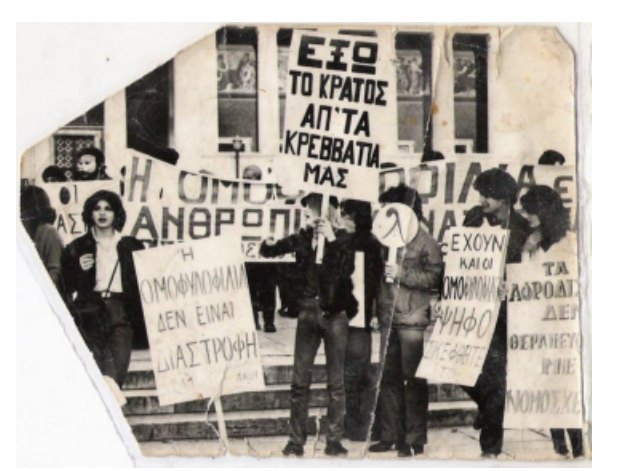
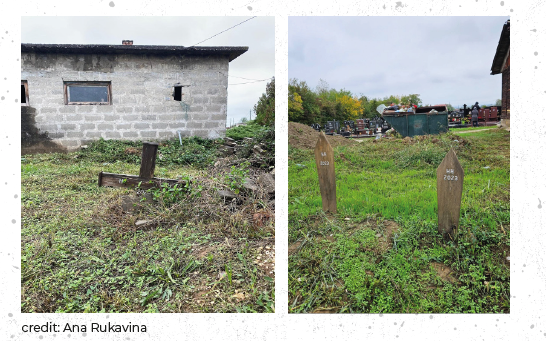
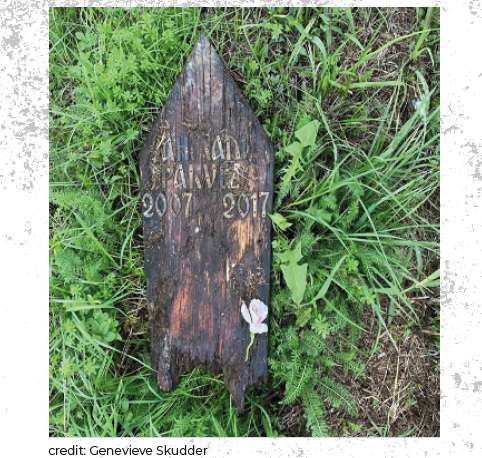

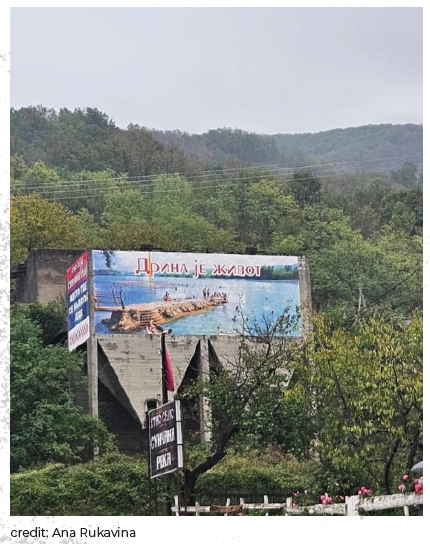
 REGIONALNI ABOLICIONISTIČKI FEMINISTIČKI KOLEKTIV
You must be logged in to post a comment.